


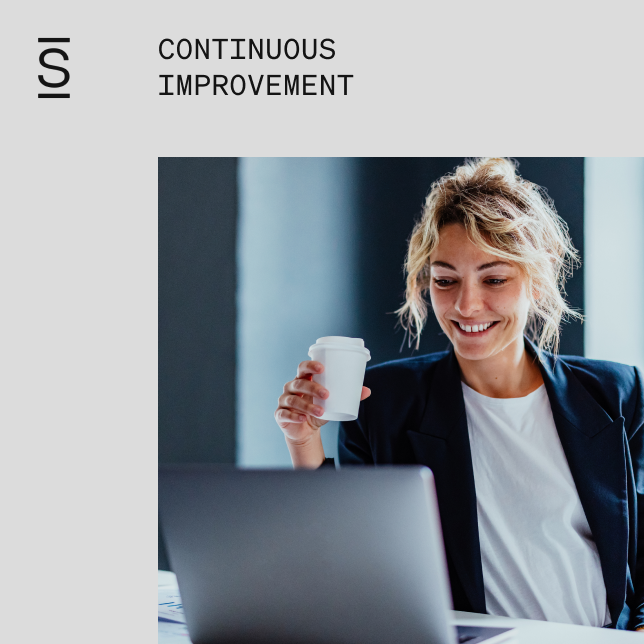
Continuous improvement defined
Continuous improvement is a perpetual process of enhancing products, services, or processes through small, ongoing changes that, over time, result in significant enhancements that benefit the organization, its employees, and its customers.
Why is continuous improvement important?
- Improve tools & materials
- Improve people & relationships
- Improve the work environment
- By eliminating redundancies, removing barriers to communication, and fostering greater collaboration, workplaces can become more efficient and more friendly to their employees.
At Simpplr, we believe that when work is good, life is better. And we have made it our mission to transform the work experience for billions of people across the world. This page goes over specifically how you can utilize the continuous improvement process to drive employee engagement and improve your organizations employee experience.

Overview of the continuous improvement process
Once the areas of improvement are identified, the next step is to brainstorm and select the best solutions to address them. This involves considering the resources available, potential impact of taking action, and feasibility of the proposed changes. Developing a well-structured plan that outlines the actions to be taken, responsible individuals, timelines, and expected outcomes is essential for the success of the continuous improvement process.
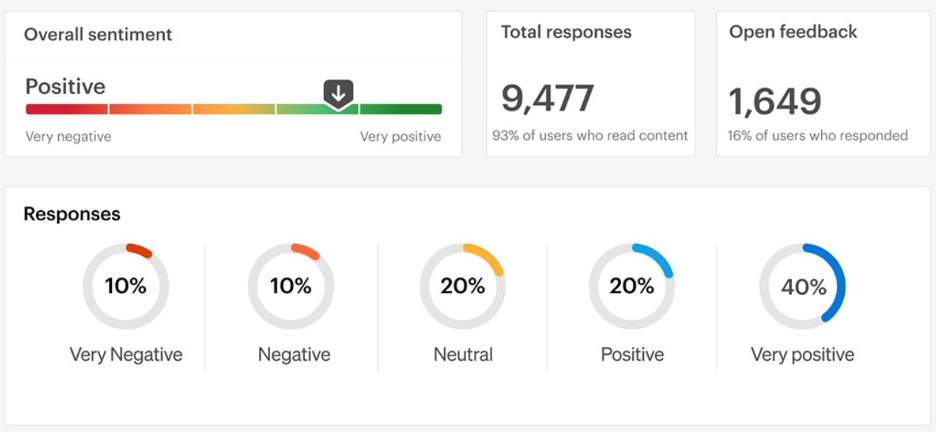
Thanks to Simpplr’s sentiment measurement and feedback tools, you can gauge your employees’ feelings and general response to new changes as they happen. As your employees react to changes, your organization will be able to track these sentiments and modify plans on an as needed basis.
- Lean
- Kanban
- Six Sigma
- Total Quality Management
- Agile Methodology
- This is a brief overview of each continuous improvement method:
Lean
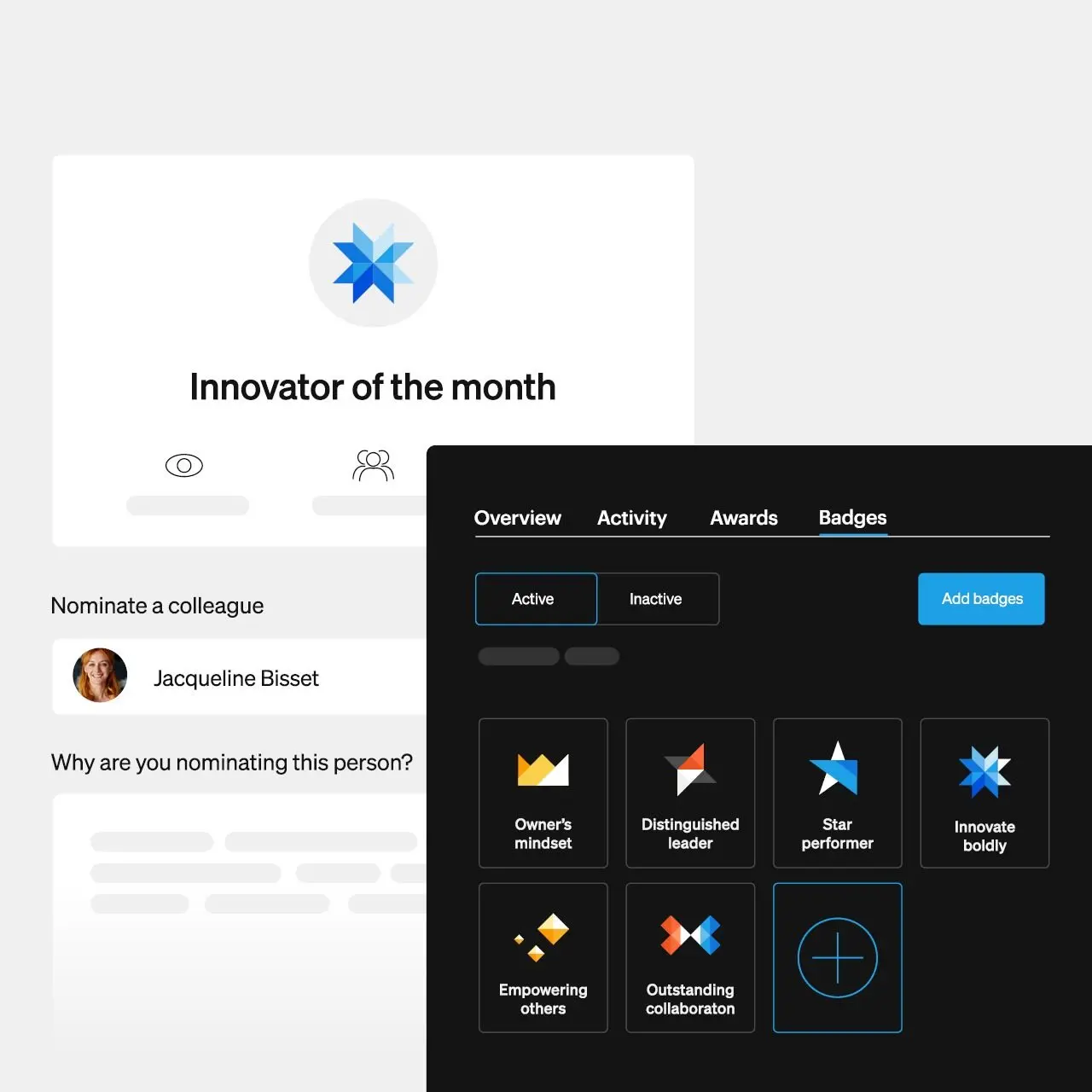
Another key factor is the ongoing assessment of continuous improvement activities. Regular audits and reviews of the processes and outcomes help in understanding their effectiveness and provide insights into what adjustments are necessary. It’s also important for organizations to stay adaptive and be willing to adopt new methods or technologies that can enhance their continuous improvement efforts. In this dynamic business environment, flexibility and resilience are essential attributes for sustaining continuous improvement.
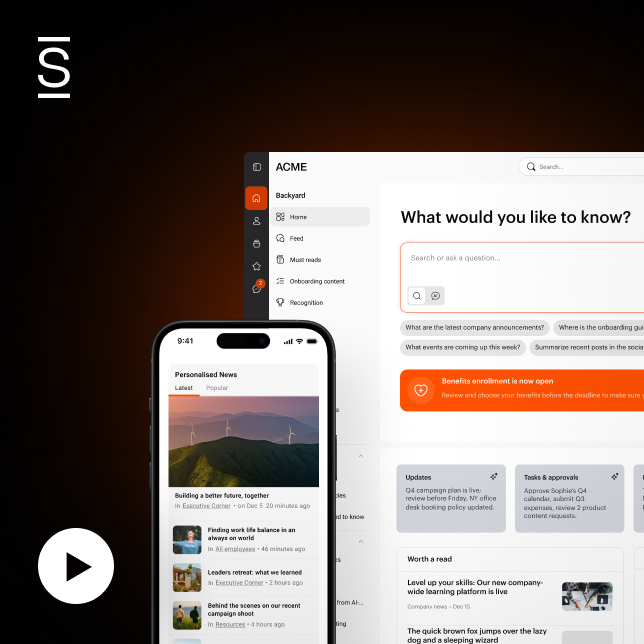
Watch a 5-minute demo
See how the Simpplr employee experience platform connects, engages and empowers your workforce.
- #1 Leader in the Gartner Magic Quadrant™
- 90%+ Employee adoption rate
About the author

Anshuman Srinivasan
As a market research analyst, Anshuman is fascinated by understanding how companies can stay competitive and gain an edge in a continuously changing marketplace. He brings research and analysis experience honed by his time in the tech and think tank spheres. He has previously worked in Simpplr’s revenue operations department, working alongside sales and marketing. Having had experiences and opportunities in a variety of areas, Anshuman relishes new challenges and experiences. Connect with Anshuman on LinkedIn.