Newsletter April 2026


Hi there,

EEE! Guess what, friends? This edition of IC You marks one year (!!!) since I wrote my first newsletter, got full-blown imposter syndrome, questioned all my career choices, and then bravely hit send anyway.

And honestly? It’s one of the best things I’ve done in my career. I love hearing from you — what resonates, what you want more of, the LinkedIn connections that somehow turn into real friendships. Truly, thank you for being here.

Okay before I give myself the ick, let’s shift to the good stuff. Or actually the bad stuff. Prepare.

  • “If you could put this on the intranet homepage…” Bleh.
  • “Can you add this to the newsletter?” Ugh.
  • “Would you pretty up this slide deck for me?” Ew.
  • “We want you to help us create a newsletter.” Sigh.

Are you triggered yet?

If you’ve historically been too nice about it (been there!), you might be stuck in full-on order-taker mode — your stakeholders decide the message and the channel, and you just…execute.

Cut. That. Out.

Channel selection is EVERYTHING in internal comms. I wrote a whole blog about it (you should read it), but I also want to give you a few ways to protect your time, your people, and your sanity by setting better boundaries.

Let’s dig in.


NL-Apr-Section-2-image-top.png


A front row seat to see the AI tool changing how I work

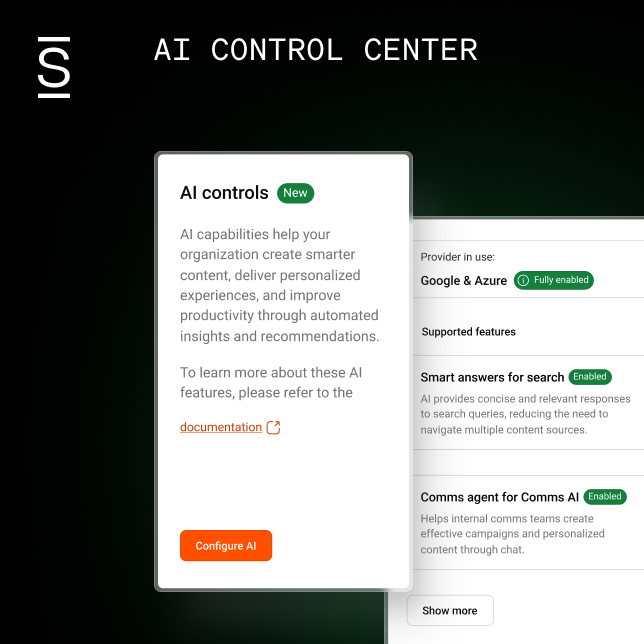
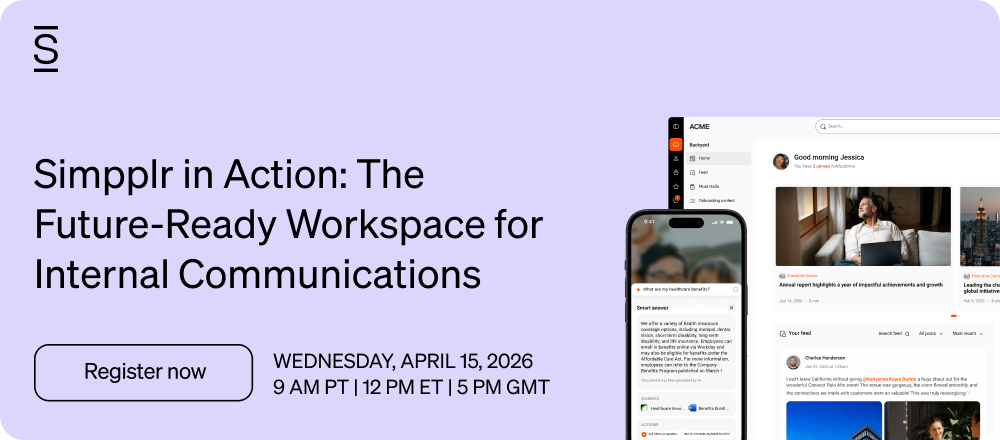
I know, we hear enough about AI tools and are inundated by all of the options out there, but I have to tell you — Simpplr’s Comms AI is the real deal. I use it on the daily, and I’m genuinely more organized than I have ever been before, which is a huge win for me!

Comms AI can do so much more than generate content. It can support how you plan, track, and prove your work. And we’re giving you a look at how to use it across the full workflow, not just the final output.

Plus, you’ll get the best of both worlds: Carolyn bringing the IC expertise and Jarel bringing the platform and tech genius to make this a truly standout demo experience.

Come see it for yourself.


NL-Apr-Section-3-image-top.png


Here’s to the people making internal comms look easy (it’s not)

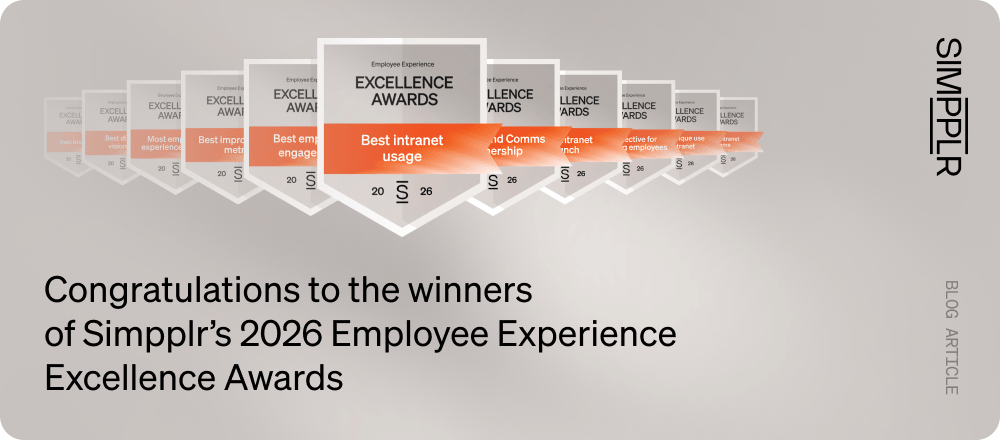
This is one of my favorite things that Simpplr does. Every year, we host the Employee Experience Excellence Awards, where our customers get to showcase the amazing campaigns, tactics, and tools they’re using on our platform to make their internal comms sing.

And it’s a full-circle moment for me.

I’ve been on every side of this — as a customer/participant, even a winner (humble brag). Last year, I even got to judge! And now I get to be the biggest cheerleader in the room.

The work these teams are doing behind the scenes is thoughtful, creative, and genuinely pushing comms forward. This year’s winners are no exception. I’m so happy to share who they are. Join me in celebrating their incredible work!


NL-Apr-Section-4-image-top.png


Channel chaos is real. Let’s fix it.

Remember those four questions from my intro that give us all the ick? The ones we get all. the. time. from stakeholders who want to tell us where their content should go?

In my latest blog post, Make every message count: how to choose the right internal comms channel, I finally put together the framework I wish I had. It’s something to help choose the right channel, cut through the noise, and make every message actually count.

These seven simple steps will bring a little structure (and sanity) back to your channel decisions.

Because not everything needs to go on the homepage. And deep down, we all know it.


Quick tip

Weave delight into what already exists.

You know that moment when you’re thinking, “This definitely doesn’t need to go to the whole company, but how do I explain that?

We’ve all been there.

Here’s a quick cheat sheet to take the guesswork out of it — and give you a clearer way to back up your channel decisions.

Score the request from 1–5 on each of these:

  • Who does this actually impact?
    (1 = a small group, 5 = everyone)
  • Does this move the business forward?
    (1 = nice to know, 5 = tied to goals, compliance, or performance)
  • Is there real urgency?
    (1 = flexible timing, 5 = time-sensitive or deadline-driven)
  • Is there a clear action?
    (1 = just information, 5 = employees need to do something)
  • Is there leadership visibility?
    (1 = no sponsor, 5 = tied to a key priority or exec ask)

Add up your score.

15+ = strong case for high visibility (think homepage)
Below 15 = probably better in a more targeted channel

It’s not about getting a perfect score — it’s about making the decision a little less subjective (and a lot less painful).


Quick move

If you’re worried your stakeholders still won’t get it, try this: Build a simple intake form for comms requests that helps surface the impact behind the ask. Don’t have them score their own requests.

Instead, ask a few pointed questions:

  • Who actually needs to see this?
  • What do you want employees to do after they see it?
  • What happens if someone misses it?

It’s a small shift, but it helps stakeholders connect the dots themselves — and start to see why “put this on the homepage” might not be the right move.


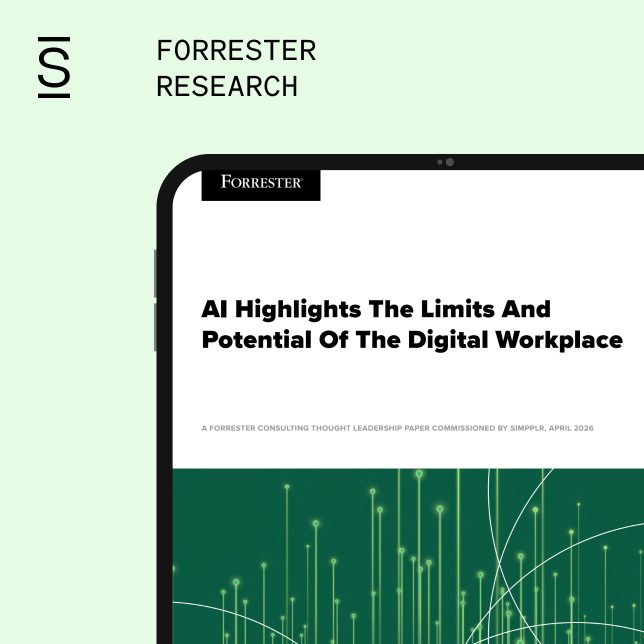
Check out our latest resource


NL-Apr-Section-6-new-resource-guides.png


ICYMI: On-demand webinars


NL-Apr-Section-7-Simpplr-webinar-ScreenCloud-UK-thumbnail.png
NL-Apr-Section-7-Simpplr-webinar-recognition-more-meaningful-thumbnail.png


NL-Apr-Section-7-Simpplr-webinar-Comms-AI-thumbnail.png
NL-Apr-Section-7-Simpplr-webinar-future-of-internal-comms-thumbnail-2x.png


Consider this your permission slip

This is the work. Not just writing the message — deciding where it’s consumed. Remembering your people every time a “hey, can we tell everyone about this?” request comes in.

Because we’re so much more than communicators. We’re the ones protecting our employees’ time and attention — making sure the right messages reach them at the right moments and considering their capacity at every turn.

And sometimes that means standing our ground with stakeholders.

As a self-admitted people pleaser, I’ve learned it’s not really about saying no. It’s about redirecting — helping stakeholders find a better path so the must-know, action-needed information actually gets the attention it deserves.


NL-April-tenor.gif


And once you start flexing that muscle? It gets a whole lot easier to set boundaries, manage expectations, and bring a little calm to the crazy.

So keep on fighting the good fight, my friend! Your intranet homepage will thank you.


Regan-BW-headshot.jpg

Regan Zuege
Internal Communications Manager

P.S. Be sure to sign up to get more emails like this! And connect with me on LinkedIn.


Copyright © Simpplr 2026, All rights reserved.

+1.877.750.8330