

State of Internal Communications 2026
New Simpplr research with nearly 450 IC practitioners and 75 C-suite leaders reveals what separates IC programs that scale from those that stall.
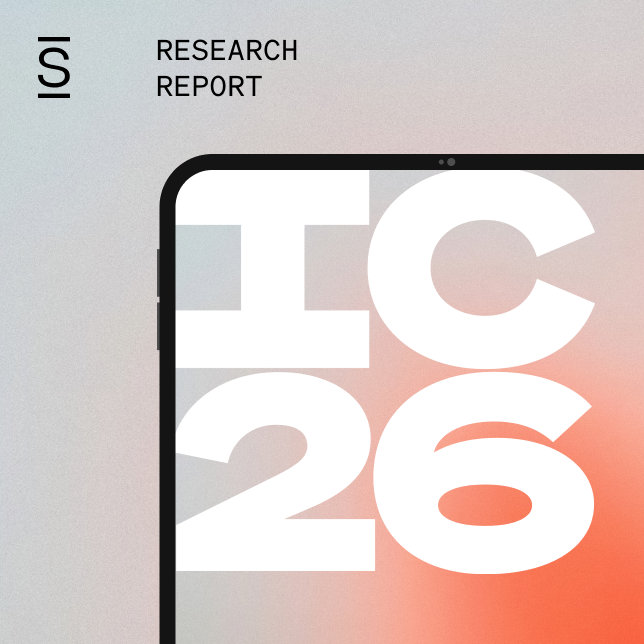
Download the report to get:
- Which operating conditions support high-performing teams (pp. 6-13)
- What inspires and frustrates IC most about their roles (pp. 14-19)
- How impact measurement is improving and where it lags (pp. 22–25)
- Which technology enables successful internal comms (pp. 26–33)
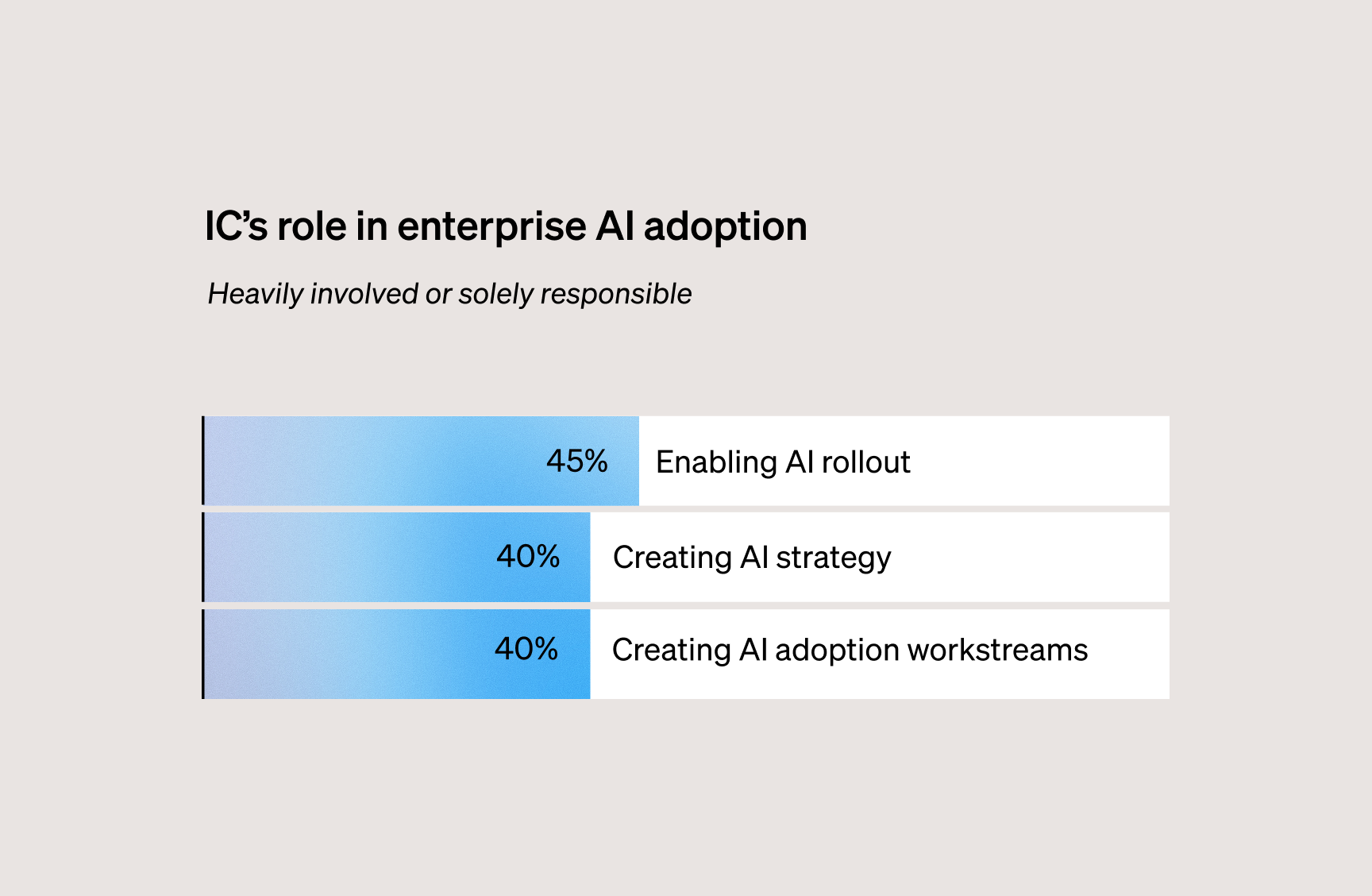
- How IC’s role in AI adoption is expanding across the enterprise (pp. 34–38)
- What flat headcount and expanding scope mean for 2026 (pp. 39-41)
SNEAK PEEK
The gap between IC teams comes down to how they’re set up to operate
Highly rated IC functions are supported by a consistent set of conditions that make their work easier to execute and
easier to scale. This research outlines how those conditions show up and where they break down.
IC performance is limited by
structural friction
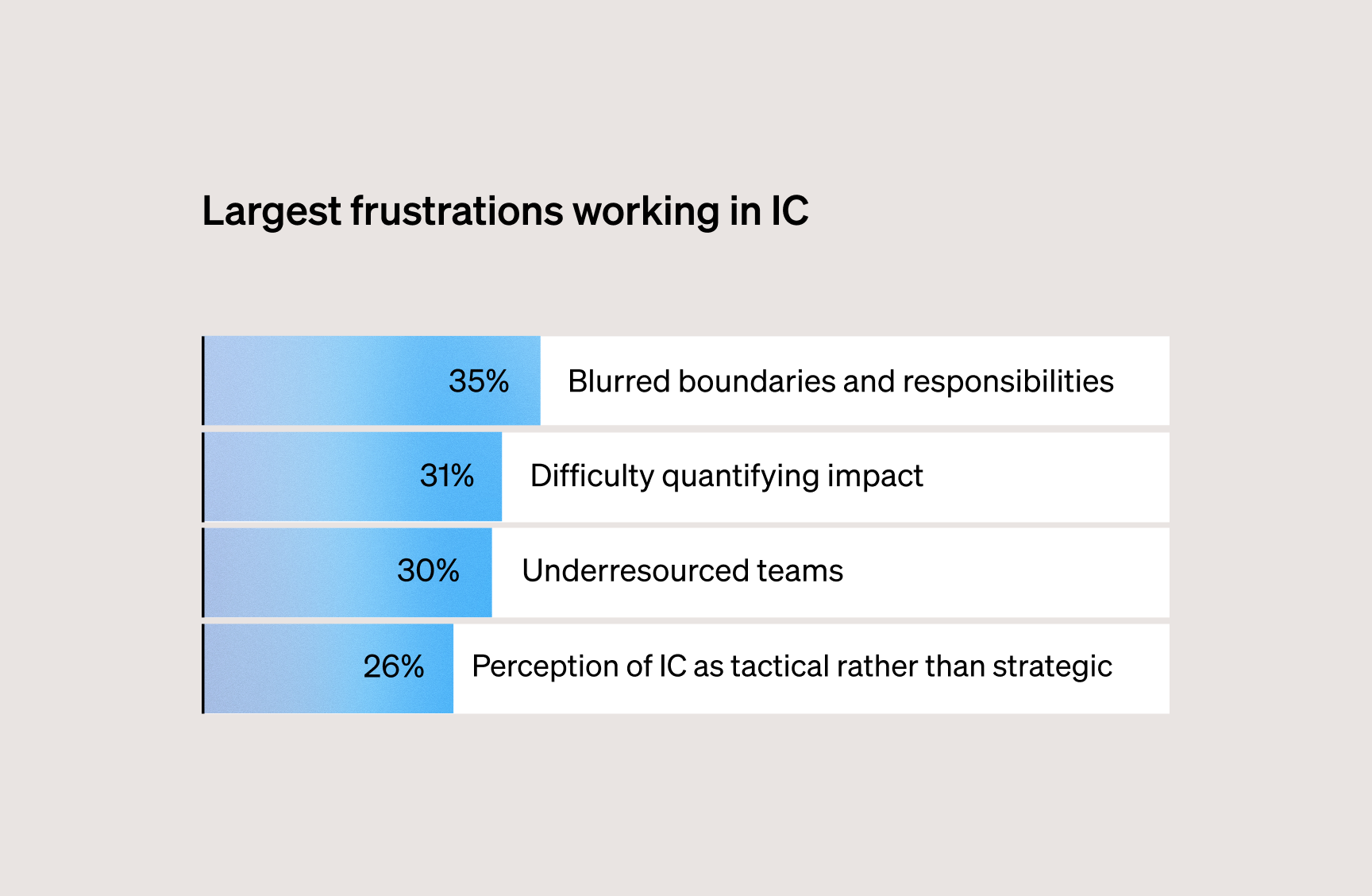
Most respondents rated their IC function highly, and executives affirmed their value. But the constraints holding them back haven’t changed. Blurred role boundaries, difficulty measuring impact, and flat staffing continue to limit progress.
Leadership support is inconsistent
where it matters most
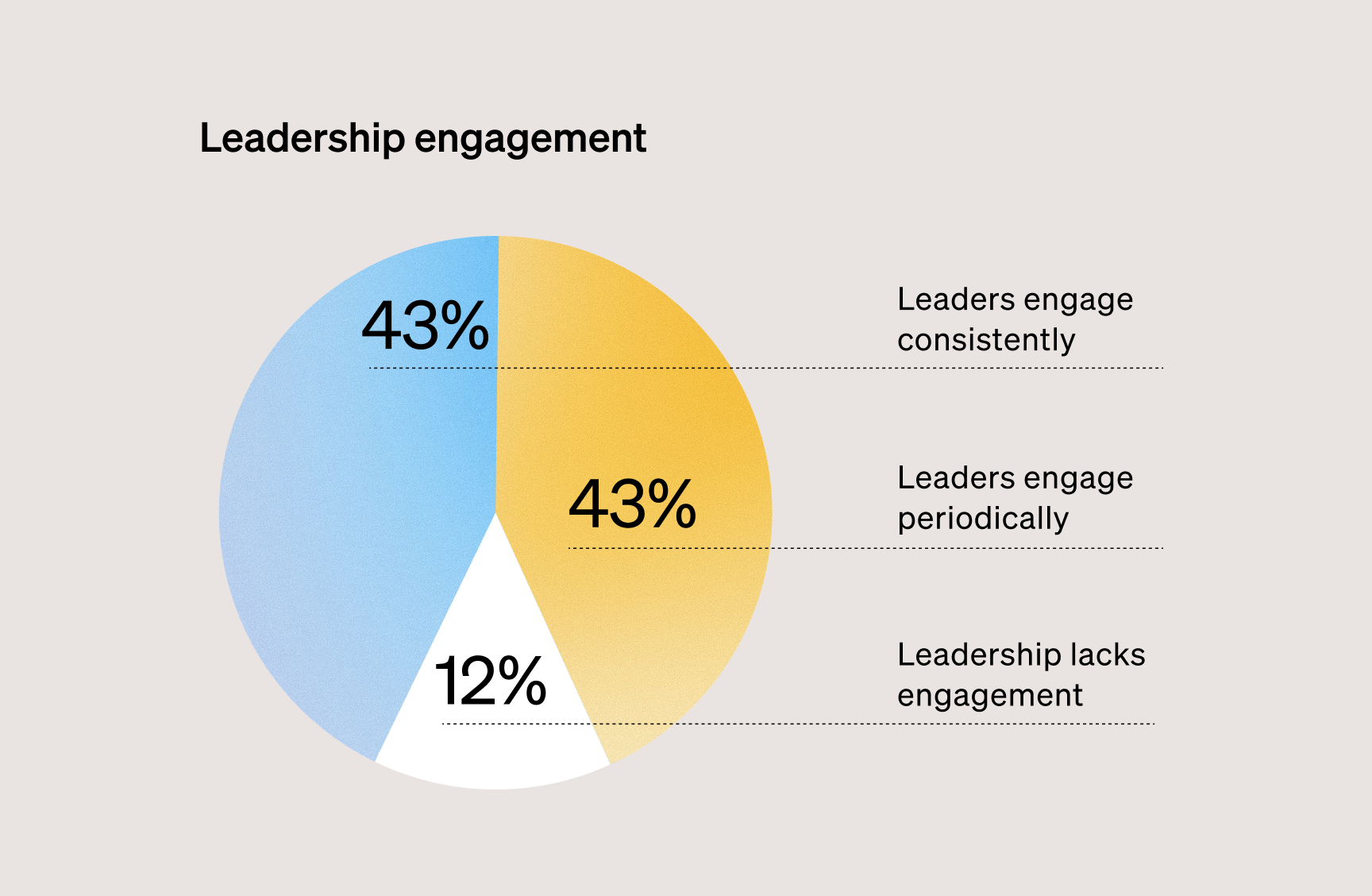
Executives broadly value internal communications. What’s less consistent is how that support shows up in practice. Visibility, decision-making involvement, and shared accountability vary widely. Those differences affect how far IC can go.
Most IC teams can’t measure what
executives want to see
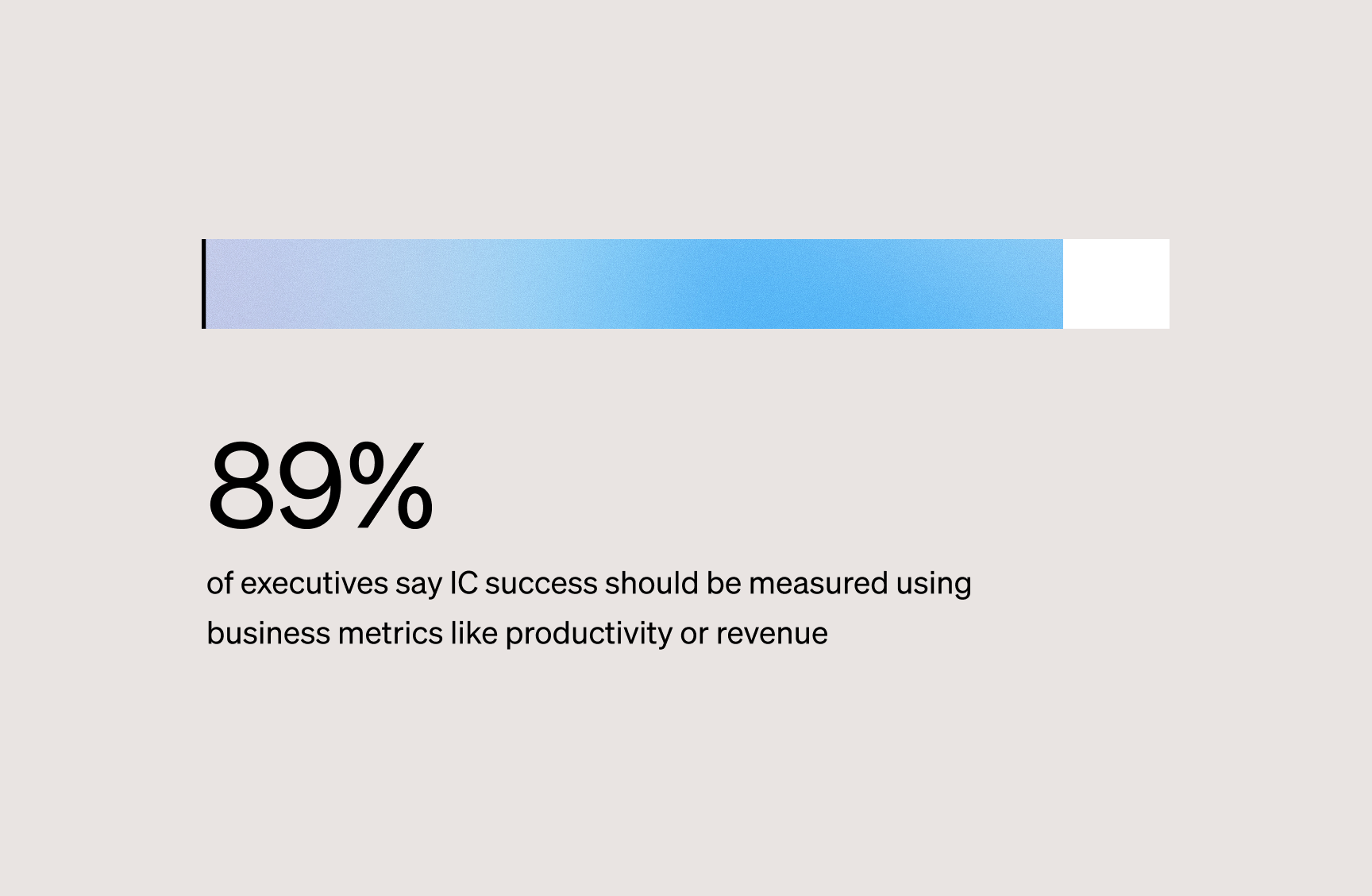
Leaders want IC initiatives tied to business outcomes. But most teams don’t have the necessary infrastructure or alignment to demonstrate impact. Ownership is fragmented, and success isn’t always defined in the same terms across the organization.
IC now sits at the center of
enterprise AI adoption
AI has become a routine part of IC work. At the same time, many teams are involved in enterprise adoption, shaping how AI is rolled out. That shift moves IC beyond content creation into AI adoption, enablement, and change communications.