


Employee turnover defined
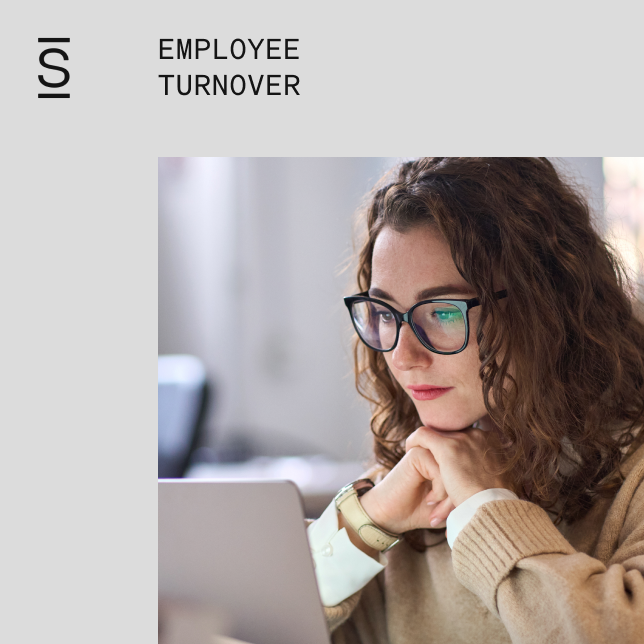
Employee turnover is the departure of people from a company over a certain period and can happen for many reasons. Some are voluntary departures, some involuntary. Depending on the circumstances, employee turnover can be positive or negative for a company. Generally speaking, if employees feel valued, supported, inspired, secure, and well-compensated, they will remain, but if any of these factors are not true, they might move on.
If turnover is unnaturally high, this means less talent is available to pursue company goals. And the hiring and onboarding of replacement staff is costly and time-consuming. During this process, service capabilities can be lowered, affecting the customer. Either way, any revenue stream is disrupted by high employee turnover, and company morale can also take a blow.
How to calculate the employee turnover rate?
- Voluntary turnover
This means an employee leaves a company by choice. This can be because they have found another job, or there’s been a change in personal circumstances, and they need to relocate, or they wish to retire or pursue an educational goal. - Involuntary turnover
This occurs when an employee has not met performance expectations and is let go. Reasons can be poor assimilation, lack of employee engagement, commitment, and therefore productivity, or misconduct. Depending on the sector (e.g., hospitality or agricultural), some businesses implement seasonal layoffs, and these, along with company-wide layoffs, also fall into the involuntary termination sphere.
At first glance, it would seem that voluntary employee turnover is okay while involuntary employee turnover is not, but this isn’t necessarily the case. In many incidences, little can be done regarding employees who leave a company of their own volition due to personal reasons. But what about the valued employee who voluntarily resigned to find new employment? This is in no way an advantage to your company. Time and money have been spent on recruitment, hiring, onboarding, and assimilation, and knowledge and experience have been gained. This talent is now to be funneled to another organization, and worse still, it could be a competitor.

What causes employee turnover?
- Poor onboarding
This can cause an employee to leave almost before they have started. A comprehensive onboarding process is costly and can take up to a year. This is a significant financial investment, not to be disregarded. - Inadequate compensation
If appropriate compensation is not forthcoming, employees will move on. The same goes for benefits and perks. Employees who feel undervalued will disengage and look to their competitors for better support. Focus moves away from the company mission, and productivity drops. This, in turn, disrupts the revenue stream. So, even though a company may feel they are saving money by not increasing salaries according to expectations, this process will cost money. - Lack of opportunity
Productive employees will desire and need opportunities to grow and advance. If these opportunities for personal and professional development are unavailable, ambitious staff will look elsewhere, and your competitors could benefit from your investment. - Bad or poor company culture
Weak company culture hurts the cohesive nature of a company. Healthy company culture is increasingly vital to would-be employees and a critical element in the successful recruitment of top talent. Make sure the essential aspects of your company culture are in place, or you may fail to attract star performers. - Lack of flexibility
The lack of flexiblity within a company is an essential factor regarding employee turnover. Particularly since the Covid 19 pandemic, people have become more productive in hybrid workspaces. Offering flexibility is essential as it is now the competitive norm, enabling employees to gain from a healthy work-life balance. This increases productivity and benefits company profits. - Insufficient support
Insufficient resources and support are frustrating and time-consuming for any employee. It’s vital for staff to have the best resources for the job at hand, or they may look to the competition to establish where better resources mean higher productivity and better compensation. Make sure your employees have good software and IT support so they can navigate a cost-effective path toward company goals. - Poor leadership
Poor leadership is a significant factor in voluntary employee turnover. Without guidance, even the most talented person will lose focus, disengage, and seek career advancement elsewhere. Regular monitoring of organizational structure is crucial to determine weak leadership and how best it may be rectified.
How does company culture affect employee turnover?
- Economy
The economy plays a vital role in the retention or turnover of staff. While it is impossible for most business leaders to significantly influence the economy, they must know that the local economy particularly has a direct bearing on the well-being of employees and their families. A poor local economy may force employees to seek work elsewhere and strive for a better environment. - Company reputation
The reputation of an organization contributes to high employee turnover. Nobody wishes to work for a company with a poor reputation. Pay attention to the hard-won good reputation of your company because it is easily lost through lack of communication and complacency within the company culture. People will leave a company with a poor reputation, not only because of internal negativity but also because of community pressure. - Competition in the market
High competition can cause a scramble for revenue beyond what’s ethical. This must be avoided because if suppliers and customers see that values have been compromised, their loyalty will be lost. Employees, too, will be inclined to leave a company where values are compromised. - Work-family conflict
Family-work conflict can influence an employee to underperform or resign and seek alternative employment. Ensure healthy work-life balance options are available within an inclusive culture. - Employment rates
Low employment rates, whether local, national, or global, will often encourage ambitious workers to take that chance to move on. There’s not much to be done about this apart from staying competitive regarding company culture, opportunity, and compensation.
What are the consequences of high employee turnover?
- Advertising costs money and plenty if you outsource to an agency. Agencies can charge around 25% of the recruit’s first-year salary if there is a successful placement.
- If several candidates need to be interviewed, travel costs may be incurred.
- The successful candidate might need to relocate, and this costs money.
- Reference checks and any pre-employment tests can be added to the bill.
- Onboarding is pricey and time-consuming.
- Overtime work done by those filling in between the departed employee and the recruit needs compensation.
Organization and administration of all the above processes also consume time and money. If this isn’t convincing enough to promote the highest employee retention rates possible, look at an employee turnover calculator and check your stats.
Other ways to reduce employee turnover are:
- Utilize an efficient onboarding process so new employees feel welcome and included.
- Offer competitive compensation so employees know they are valued.
- Give employees the opportunity to grow and advance, and the company will thrive.
- Provide a strong company culture where employees feel included and respected.
- Be flexible, as the opportunity to work in a hybrid workspace may encourage an employee to stay on instead of resigning.
- Supply up-to-date resources and support, so employees have all they need to produce their best work.
- Ensure competent leadership, so employees feel stable and remain focused.
Conclusion
For a business to succeed, a low employee turnover rate is essential. This fosters stability, strengthens company culture, and positively affects the bottom line through high productivity and customer satisfaction.
Efficient onboarding, employee development opportunities, reasonable compensation, flexibility, and quality resources and support contribute to desirable employee retention rates.
The ‘tone from the top’ is crucial, and its trickle-down effect affects the rest of the company. Employees will look to company culture and leaders to confirm company ethics, commitments, and broader corporate values.
To prevent high employee turnover rates, and improve the overall employee experience, the empathetic handling of talent is the best way forward for an innovative company.
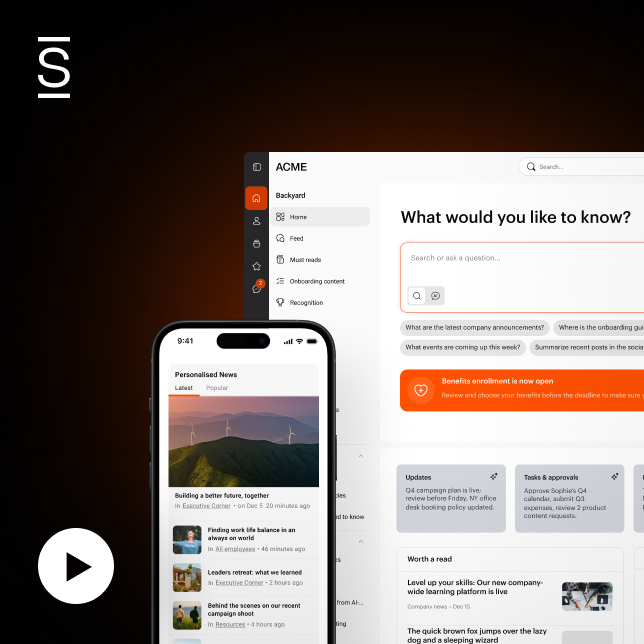
Watch a 5-minute demo
See how the Simpplr employee experience platform connects, engages and empowers your workforce.
- #1 Leader in the Gartner Magic Quadrant™
- 90%+ Employee adoption rate
About the author

Mary C. Long
Mary C. Long is Chief Ghost at Digital Media Ghost, a ghostwriting, growth hacking and professional reputation consultancy she founded in 2009. She’s the best kept secret of award-winning authors, Fortune 500 industry leaders, transformative voices disrupting the norm, and countless creatives short on time.She has penned pieces for everyone from presidential advisors to that person down the street, crafting compelling business content that moves markets and poignant memoirs that leave a legacy of everyday lives. She helps authors get their writing in front of the right audiences in top-tier publications, on a number of best seller lists, and everywhere readers are engaging online. Connect with Mary on LinkedIn to learn more.