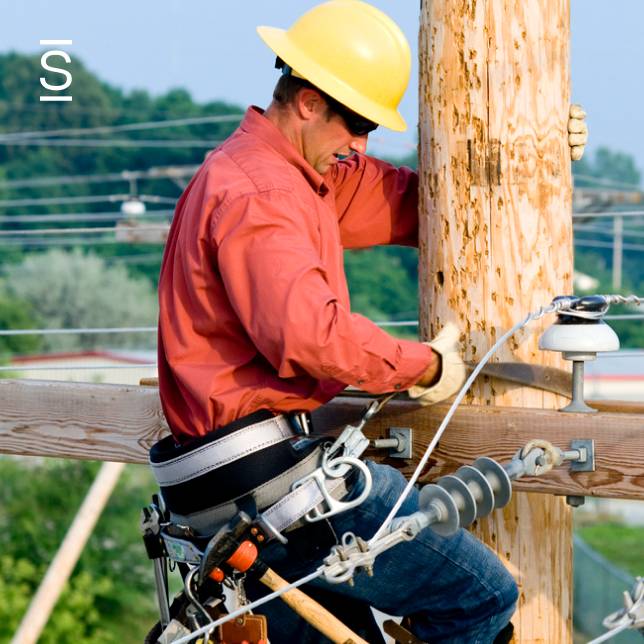




Frontline employees are the nuts and bolts that hold your business together. When they’re all in the right place and thoughtfully aligned, they create a stable foundation. But if they’re not aligned, the structure starts to wobble.
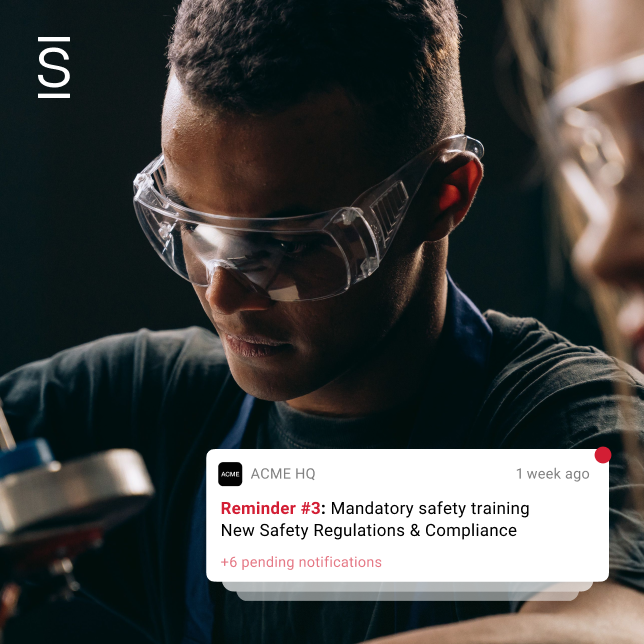
Why frontline workers miss critical updates and what IC teams can do about it
Why frontline workers miss critical updates and what IC teams can do about it
Internal communications is what keeps those essential pieces working together strategically, but many organizations overlook the strategic part. Simpplr’s 2026 State of Internal Communications report shows the scale of the problem.
At 42% of companies surveyed, just half to three-quarters of employees are receiving major company updates. The workers most likely to miss them are the ones at the heart of business operations.
While not a new problem, it remains an urgent one. Reaching and engaging frontline workers has been an industry concern for decades. Here’s what the data says about why it’s happening and what IC teams can do about it.
Frontline workers keep falling through the cracks
According to Simpplr research, only 1 in 4 organizations reach 75-100% of employees with major updates. Put another way, in 3 out of 4 organizations, less than 75% of employees are receiving the most important communications. And the majority of those are frontline workers.
A 2022 Microsoft survey found that 63% of all frontline workers — and almost 70% of frontline managers — say messages from leadership don’t make it to them.
Consider that 80% of the global workforce and 60% of the US workforce are deskless. Why are these frontline workers frequently missing critical comms? One significant reason comes from using email as the default channel for important updates.
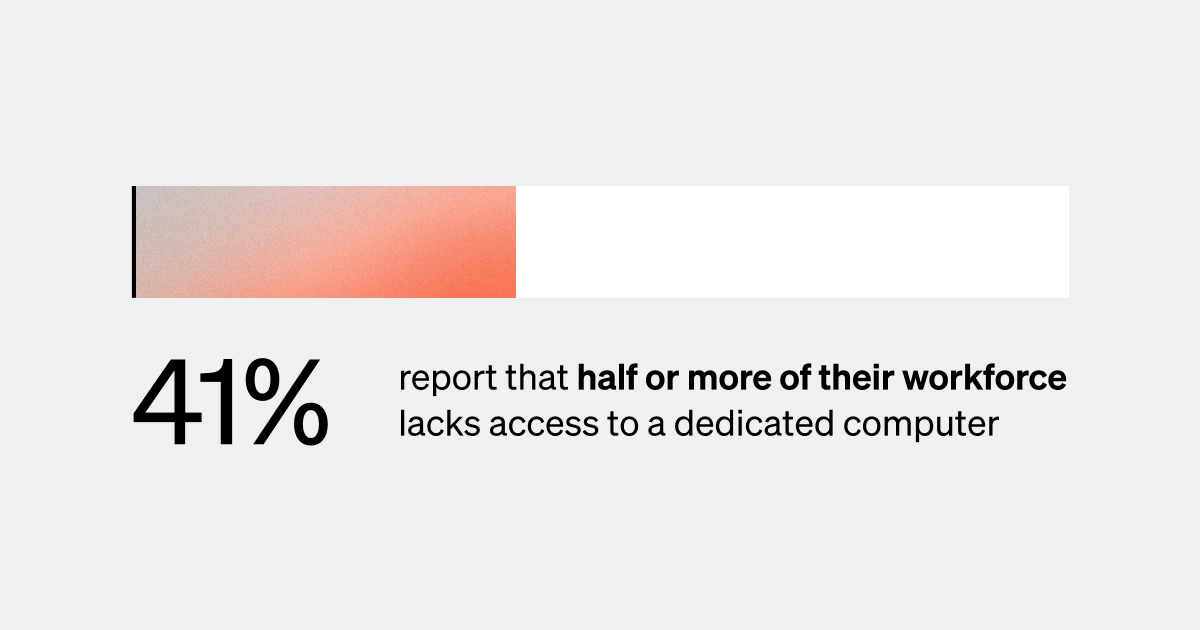
Even frontline workers who have company email addresses may lack time to open, read, and digest the communications they receive.
They’re missing out on:
- Connecting with the rest of the organization
- Aligning on businesswide goals, objectives, and initiatives
- Opportunities for engagement and advancement
- Timely, critical updates on how they do their jobs every day
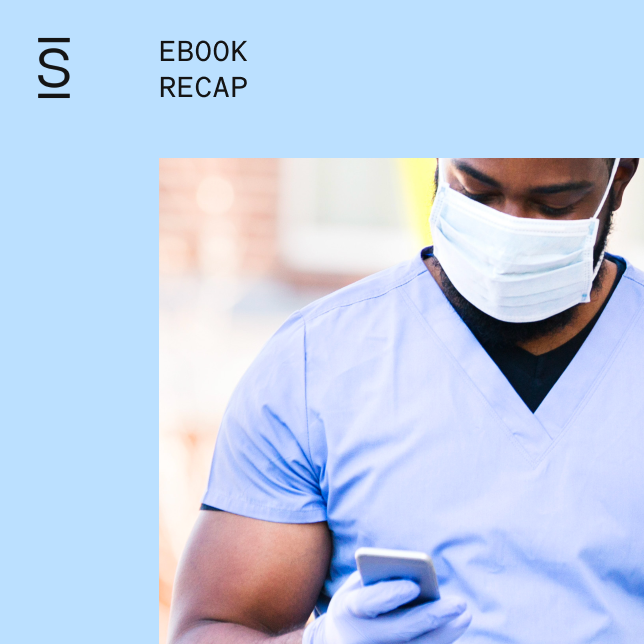
Those critical messages could mean nurses lacking updated procedures and directives that impact patient care, warehouse workers failing to complete important occupational safety training, or customer service reps who aren’t aware of revised processes.
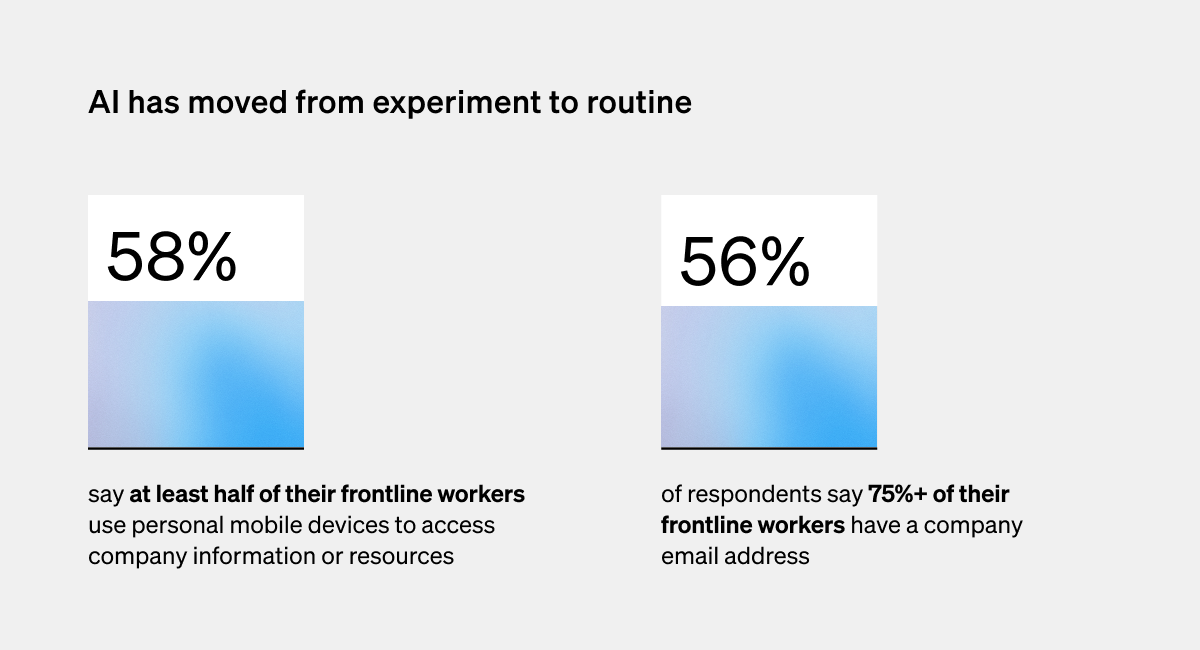
More than half (58%) of our survey respondents reported that 50% or more of their frontline workers use their personal mobile device to access company information or resources. While that partially fills the gap, it also introduces safety and governance risks.
These gaps are what happen too often when a communications plan is designed for desk-based employees. Missed messages, informational voids, and a reduced sense of belonging and togetherness.
The real cost goes beyond open rates
Research from Harvard Business Review reveals that 90% of organizations say success depends on empowering frontline employees to make autonomous decisions. How can these vital workers be empowered if they’re not informed?
This lack of information contributes to frontline workers feeling like they’re not truly a valued part of your organization in the same way that home office and desk-based employees are.
This disconnect is more than just an unpleasant feeling. It’s holding employers back from capitalizing on the full productivity and engagement of their frontline workforce, which McKinsey research shows is a key competitive differentiator.
Only 13% of employees strongly agree that their leadership communicates effectively. There is significant room for improvement in how leaders communicate with the people who power their organizations.
Simple fixes can’t close this gap
Blasting more emails to more people won’t solve this disconnect. Here’s what isn’t the answer, before we dive into what is.
Better tech is a start but not a strategy
A new tool implemented by the home office won’t ensure frontline workers receive messages if the technology itself is considered the whole solution.
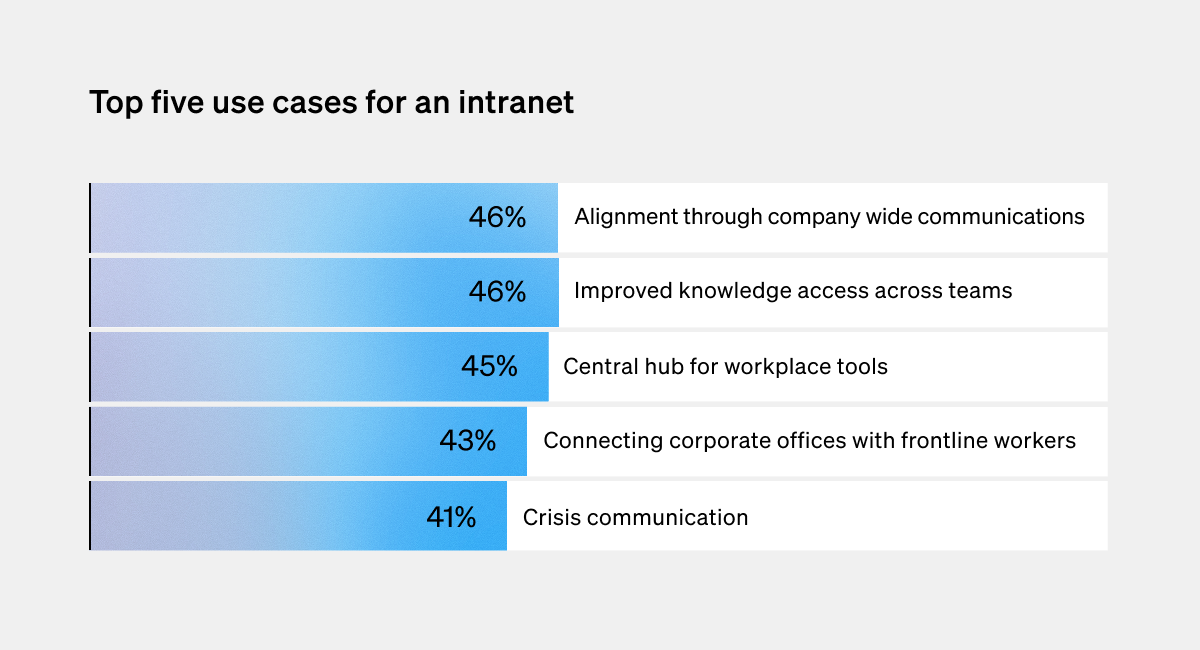
Organizations with an intranet are significantly more likely to reach 75-100% of employees (27% vs. 11%), which indicates that having the right technology does help. But it’s not enough to ensure 100% of critical messages reach those who need them.
The main issue comes from insufficient targeting, timing, and format. Some tech tools can solve for access, but the rest depend on the proper strategies.
Manager cascades can’t carry it alone either
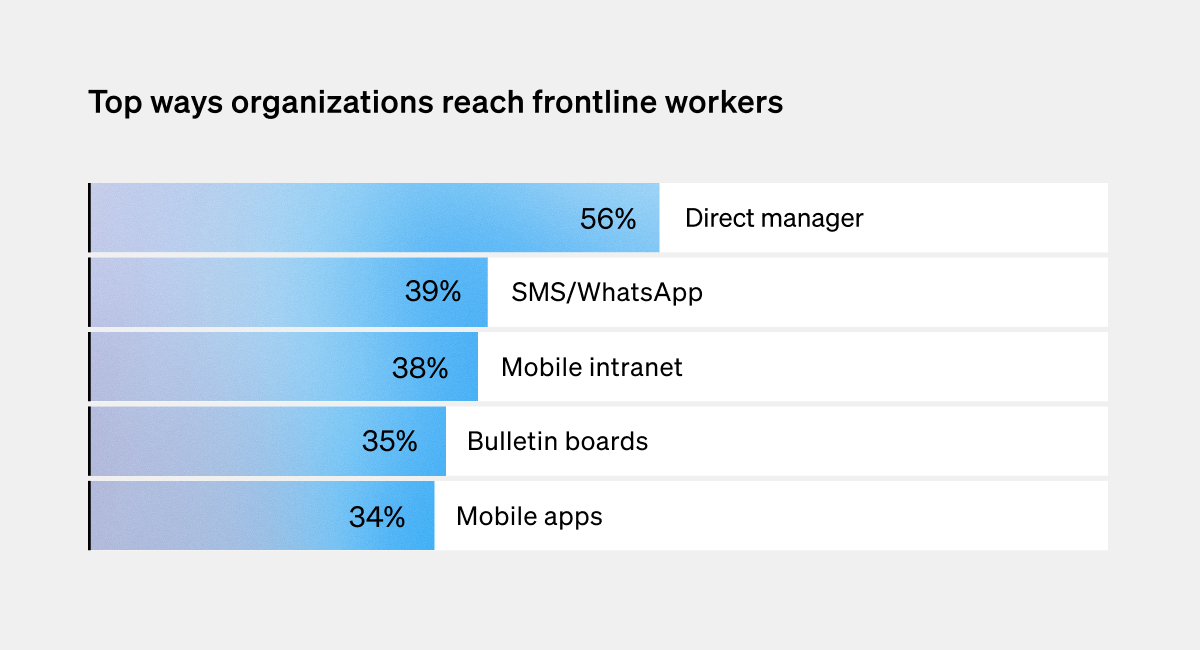
Direct manager communication remains the primary way to reach the frontline workforce for 56% of organizations. On one hand, that makes sense as they have the most employee trust and access. But managers are saddled with enormous responsibilities, and expecting them to also be the sole bearers of all company news might be a bridge too far.
Relying entirely on manager cascades also introduces an element of uncertainty that may still leave many employees in the dark. When an employee’s access to critical information depends on the quality of individual manager communication, employees with managers who aren’t actively sharing information are left at a disadvantage.
More information only adds to the problem
Lastly, this communication gap can’t be closed with more messaging. More than a quarter of employees report already feeling overwhelmed by excessive workplace communications, and that figure jumps to 38% for managers, according to Gartner.
Frontline employees also have less access to email and less time to read and absorb the communications they’re already getting. Simply giving them more information will not help the “drinking from the firehose” feeling that many employees already have with communications.
That firehose of comms makes it harder for everyone to know which messages matter, and it may cause some employees to tune out altogether. Now you’ve compounded the problem you set out to solve in the first place.
Delivery precision is the real solution
So what really works to solve the frontline communications gap? A laser focus on personalized communication.
Most IC teams aren’t there yet
Personalizing communications requires developing and honing a deep understanding of who needs what message in which format and when they should get it. This strategy should include knowing what action you want them to take and making it as easy as possible for each of them to do so.
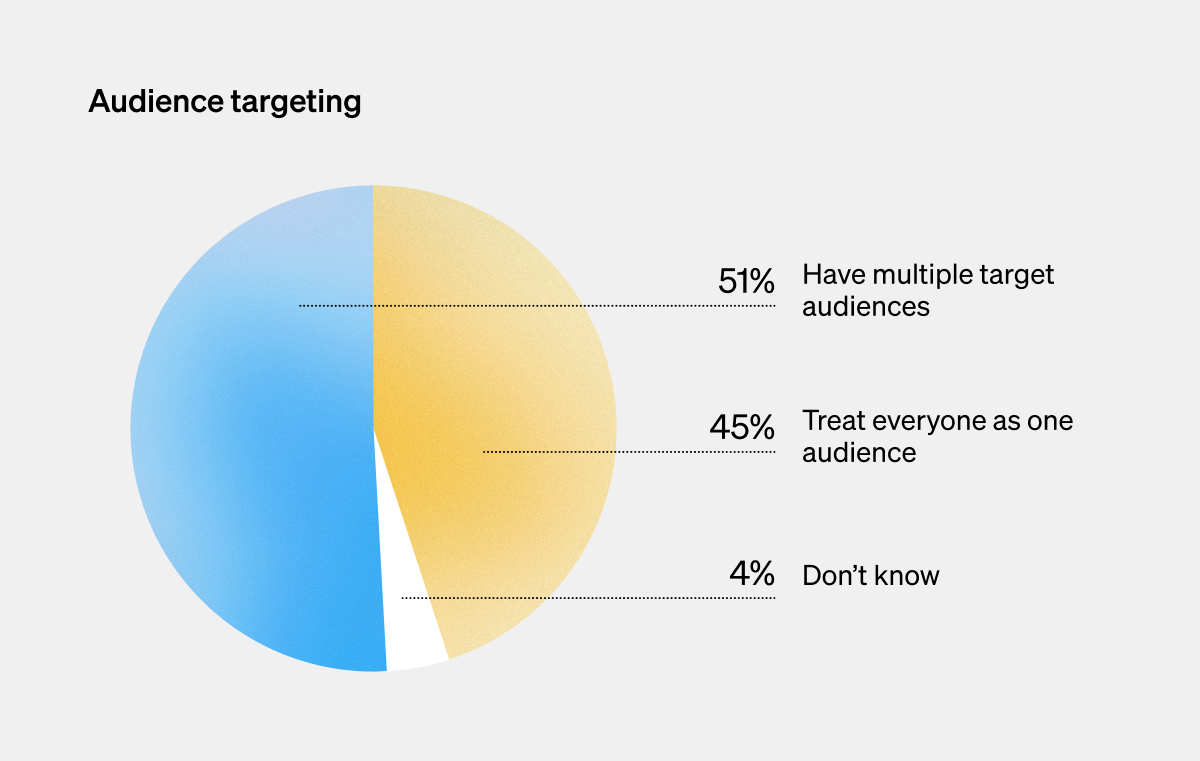
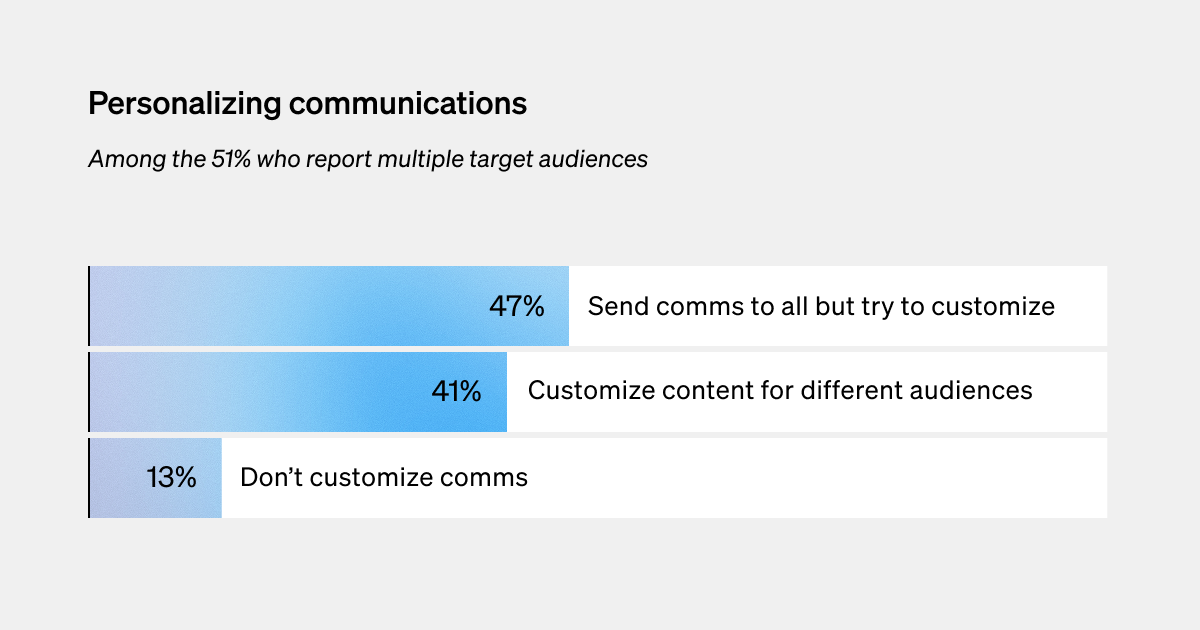
Unfortunately, delivery precision remains elusive for many IC teams. One-quarter of the respondents surveyed for Simpplr’s report say it’s difficult to send messages to unique audiences. Just over half (51%) say they have multiple target audiences, while 45% treat everyone as one audience.
Less than half of those who target specific audiences (41%) say they create specific communications for specific audiences.
Selective comms win the day
Here’s the good news for IC: While precision targeting once required a massive team and manual audience segmentation, modern intranets make it operationally feasible even for lean IC functions. The key is building a strategy around three principles: reach employees in the flow of their work, filter for relevance, and make it easy to act.
Reach employees where they are
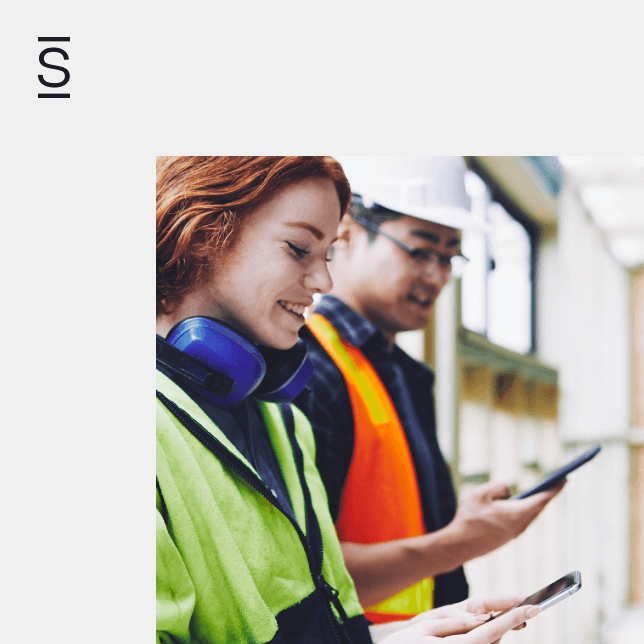
Start with how and when your frontline employees consume information. For a warehouse associate on a 10-hour shift, that’s not a 500-word email at 9 a.m. It’s a push notification during a break or a targeted update on a digital signage screen in the breakroom.
One of the changes with the highest impact is automating delivery so that messages arrive during optimal hours for specific shifts. When every notification feels urgent, none of them do.
Filter for relevance
Audience segmentation should go beyond just frontline vs. desk-based. The most effective IC teams target by role, location, and shift so that a new hire at a manufacturing plant in Ohio and a five-year veteran at a distribution center in Texas aren’t getting the same updates to scheduling.
Make taking action easy
Finally, every message should make the next step obvious. Reaching a frontline employee with the right update at the right time matters only if they know what to do with it. That means leading with the action, not burying it — a shift change they need to acknowledge, a safety protocol they need to review, a form they need to complete before their next rotation.
Strip out the context-setting that desk-based workers have time to read and frontline workers don’t, and put the ask up front in plain language. The easier it is to act on a message in the 30 seconds an employee has between tasks, the more likely that message is to drive the outcome you’re after.
Closing the disconnect is ongoing work
Delivery precision isn’t something you set up once. The most effective IC teams treat their frontline communication strategy as an evolving system — one that gets better through regular review. And that work starts with listening to frontline workers so your strategy stays grounded in how employees work and consume information.
Testing and feedback loops turn a one-time fix into an enduring strategy. Pulse surveys, manager check-ins, and engagement data will show you what’s landing and what’s falling flat faster than open rates alone. If your frontline workers are consistently missing critical updates, it’s an operational risk that compounds with every message that doesn’t reach them.
How Simpplr can help
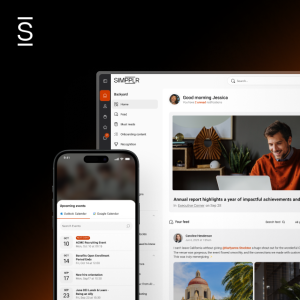
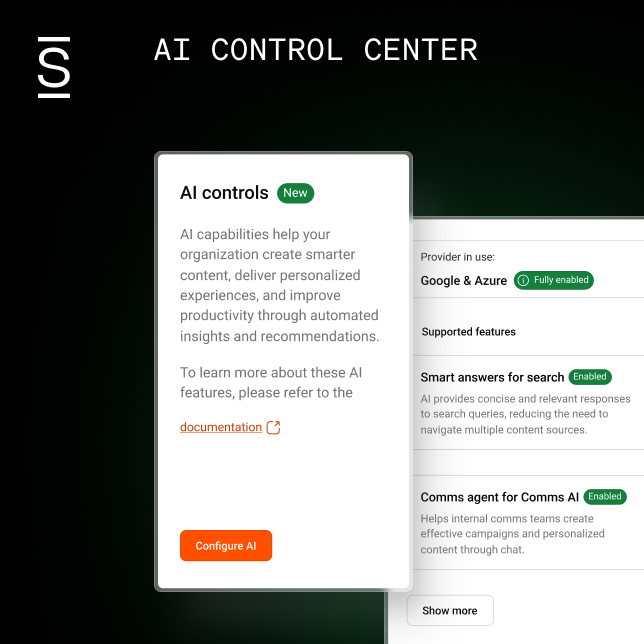
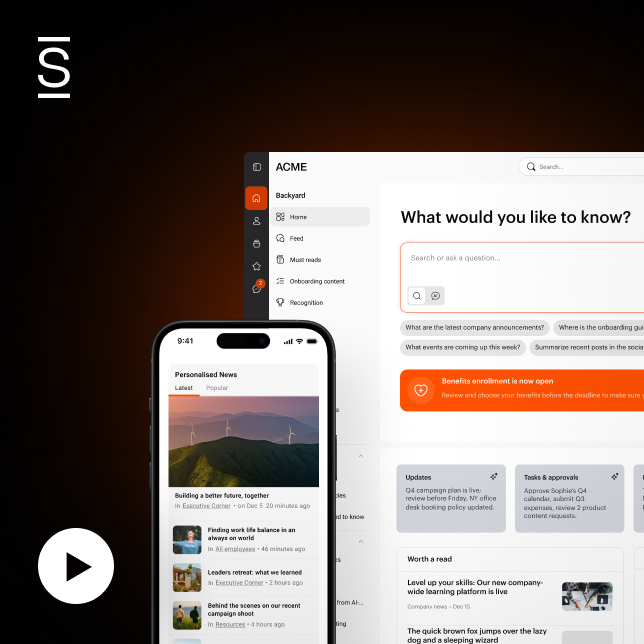
The right modern intranet makes the difference between knowing what good frontline communication looks like and actually delivering it. Simpplr meets employees where they are, using AI to surface what each person needs to know by role and location, on mobile or tablet. And because reaching the frontline often means reaching people who aren’t holding a device, Simpplr’s integration with ScreenCloud extends targeted updates to digital signage so a shift change or safety alert can reach the breakroom floor without anyone having to check their phone.
Frontline workers are too essential to leave out of the conversation. If you’re ready to make sure every employee gets the updates that matter, start with the strategy and then implement the tools to back it up.
Ready to see how Simpplr can help you support your frontline workforce? Request a demo today.
Watch a 5-minute demo
See how the Simpplr employee experience platform connects, engages and empowers your workforce.
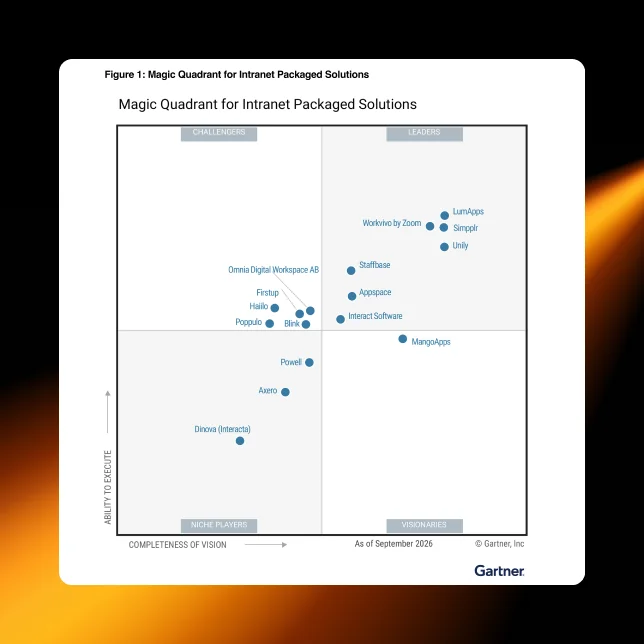
- #1 Leader in the Gartner Magic Quadrant™
- 90%+ Employee adoption rate