
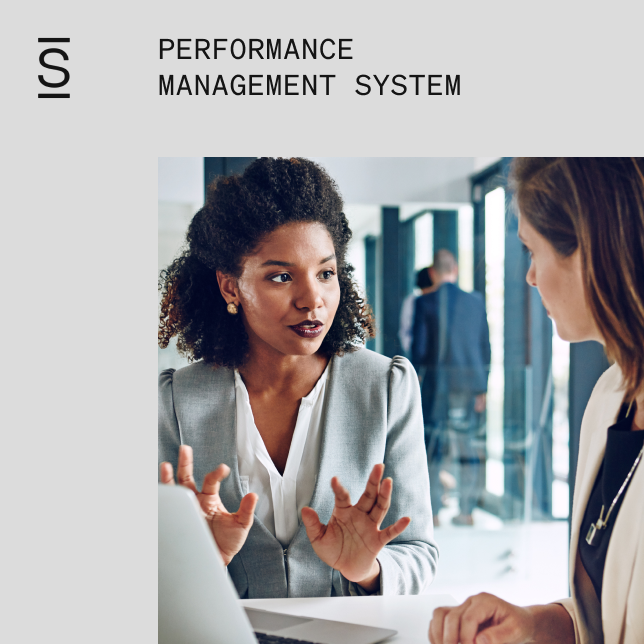
A performance management system (PMS), is a structured framework organizations use to monitor, evaluate, and improve employee performance in alignment with their development goals. It involves setting clear objectives, tracking progress, providing feedback, and conducting performance reviews — all working together to drive productivity, engagement, and long-term success for both the employee and the organization.

Beyond working as a career management tool, it encourages open dialogue between managers and team members, promotes accountability, and shapes a high-performance culture where people feel seen, supported, and motivated to excel.
- Remember that offering feedback does not have to wait for annual performance reviews. Practice continuous feedback instead of, or in addition to, annual reviews to make it a part of company culture.
- Set goals in collaboration with employees rather than unilaterally
- Shift the emphasis from evaluation to improvement. Help employees map out development paths, acquire new skills, and grow into future roles.
- Focus on timely reward and recognition for a positive employee experience
With these advanced practices, individualizing performance to each person is paramount to modernizing performance management, and people managers must work to understand how these universal needs manifest for each employee.
- Balanced scorecards: A strategic planning and management tool used to align business activities with the organization’s vision and strategy. It measures performance across four key perspectives: financial, customer, internal processes, and learning & development.
- OKR (objectives and key results) frameworks: A goal-setting framework where ‘objectives’ define what you want to achieve, and ‘key results’ are measurable outcomes that track progress toward that goal. It promotes focus, transparency, and alignment across teams.
- KPIs and performance dashboards:Key performance indicators (KPIs) are metrics used to evaluate an organization’s success in reaching its objectives, while performance dashboards visually represent these metrics in real-time. By integrating KPIs into a performance management system, organizations can monitor critical business processes and outcomes efficiently.
- Management by objectives (MBO): A process where managers and employees set goals together, and performance is evaluated based on the degree to which these goals are met. It encourages alignment between employee contributions and organizational priorities.
Personal performance management system
- Annual or quarterly performance reviews: Traditional form of performance evaluations conducted at the end of a review period (usually annually or quarterly), where managers assess employee performance against predefined goals and competencies.
- 360-degree feedback: An employee assessment method that gathers constructive feedback from people managers, peers, direct reports and others who work with them the most. The 360-degree feedback is usually collected through anonymous surveys to encourage candor and openness in the responses.
- Continuous performance management (real-time feedback and check-ins): Emphasizes ongoing feedback and regular check-ins rather than infrequent reviews. Integral to a modern performance management system, it encourages open communication, boosts engagement, and enables timely improvements in performance.
Core Elements of an effective performance management system
- Goal setting & alignment: Goal setting is the foundation of any performance management system. It involves defining clear, measurable, and time-bound (SMART) objectives that guide an employee’s work.
Why it matters:
- Ensures employees understand what’s expected of them
- Drives focus and motivation
- Aligns individual efforts with broader company goals, improving organizational cohesion
- Continuous feedback and communication: According to Gallup, employees are 3.6 times more motivated to do outstanding work when their manager provides daily (vs. annual) feedback. Regular feedback fosters trust, builds employee autonomy, strengthens manager-employee relationships and ensures performance issues or achievements are addressed in real time.
- Ongoing training and development: Offering opportunities for training, skill development, mentorship and career advancement is a crucial aspect of a performance management system. When employees see a clear career development path, they’re more likely to stay motivated, engaged, and committed to their roles.
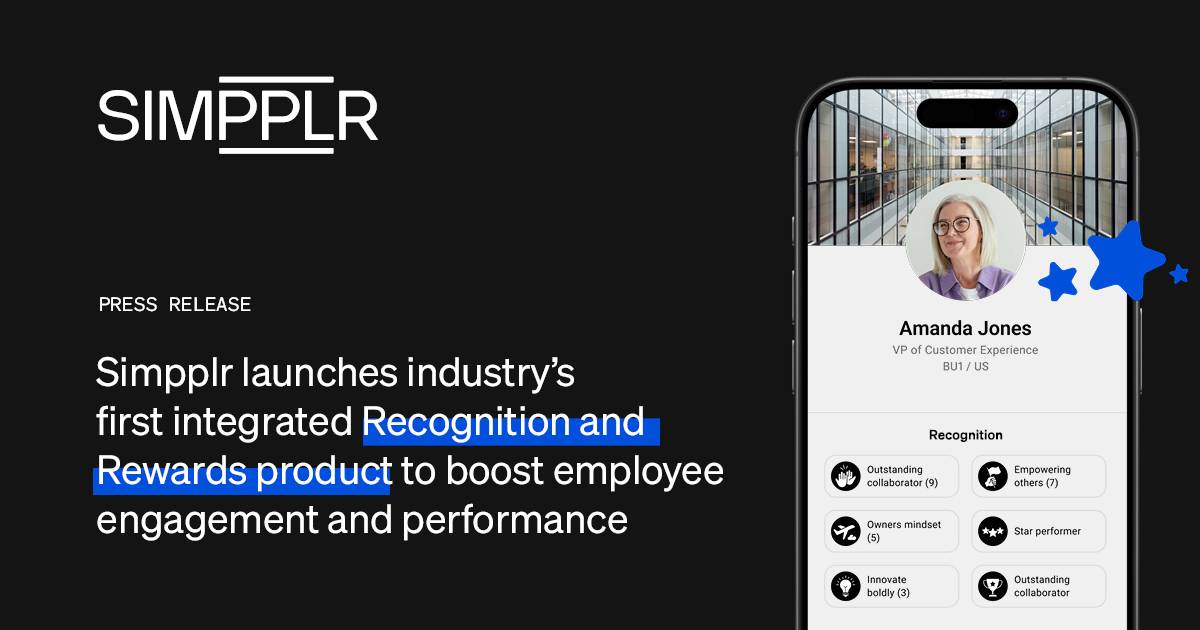
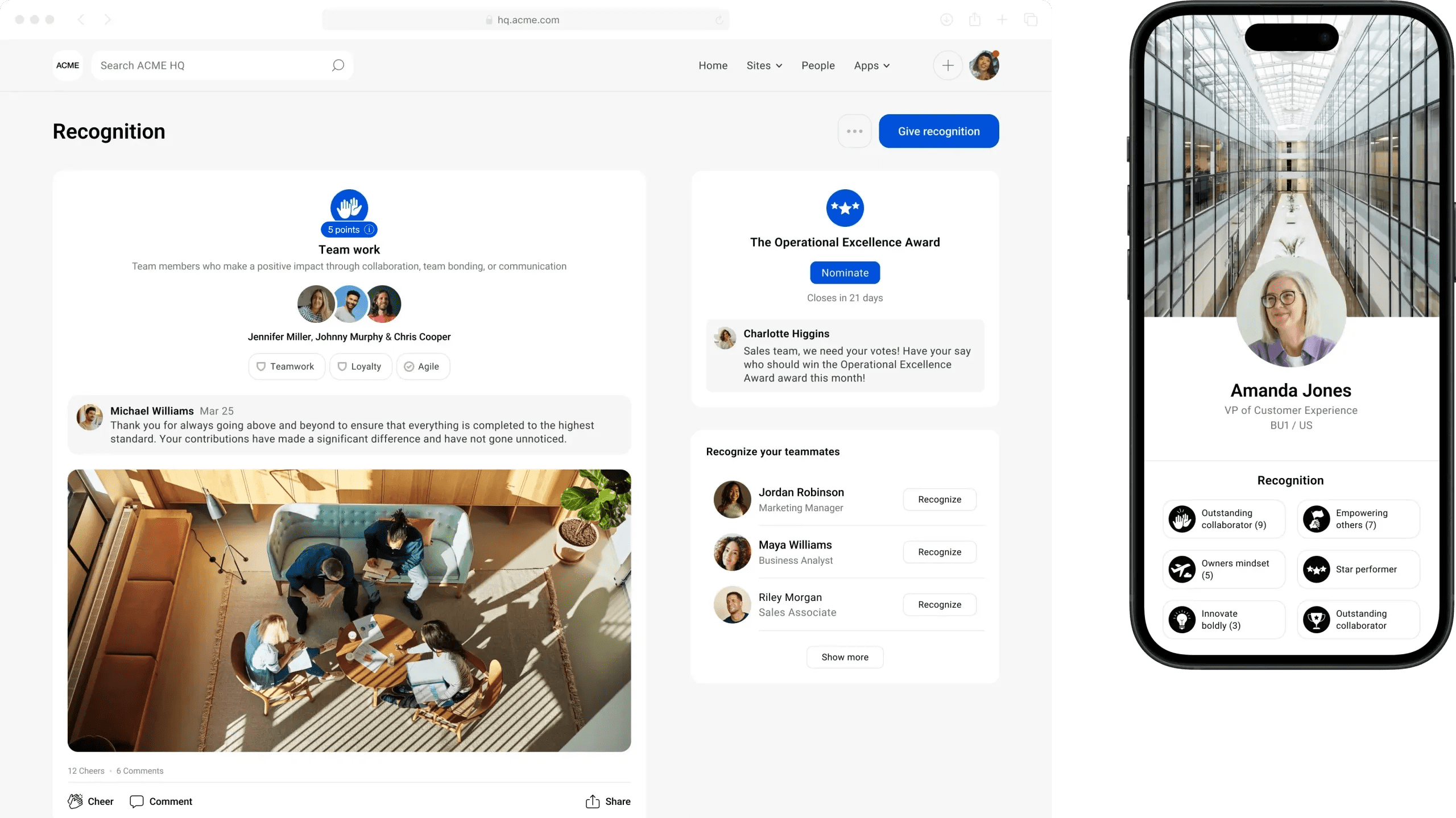
- Recognition and rewards: An effective employee performance management system should have employee recognition as its core functionality. Recognizing and rewarding employees’ contributions is crucial for motivation and retention. Consider how you can use both tangible and intangible rewards to recognize your teams for accomplishments, large and small.
Implementing a performance management system
- Use SMART goals (specific, measurable, achievable, relevant, time-bound) to ensure clarity and structure.
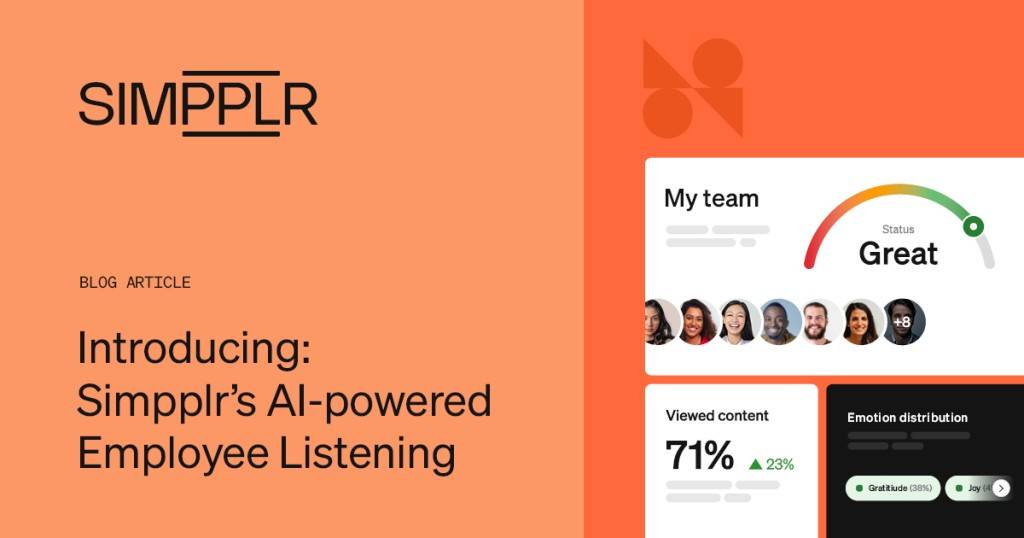
- Actively listen to your employees by creating regular opportunities for open dialogue — through surveys, town hall meetings, feedback sessions, or focus groups.
Make continuous feedback a part of your culture
- Adopt an intranet that offers internal polls, quick surveys and anonymous feedback tools to regularly gauge employee sentiment. This creates a safe space for employees to share their thoughts, helps leaders identify areas of improvement, and ensures that feedback is gathered continuously — not just during formal reviews.
- Hold weekly or monthly one-on-one meetings to build trust, review progress and ensure employees feel supported and heard — making feedback a natural and ongoing part of the work culture.
Reviewing amongst employees
- Encourage team members to give shout-outs to their peers during team meetings
- Integrate peer recognition into performance reviews or check-ins
- Use a recognition tool that allows badges, points, or public appreciation
- Highlight peer recognition stories in company newsletters or updates
Support ongoing training and development
- Create an individual development plan that outlines specific steps, resources and timelines for professional and personal growth tailored to an individual’s aspirations and role within the organization.
- Partner with a peer for enhanced collaboration and practice knowledge sharing initiatives.
- Look for on-demand courses, workshops, webinars, and mentorship programs to support different learning styles.
Recognize and celebrate achievements in real-time
- Use your intranet or internal chat tools to give instant shout-outs
- Encourage peer-to-peer recognition across departments
- Celebrate team wins during stand-ups or weekly meetings
- Offer small rewards, badges, or appreciation notes for milestones
- Recognize efforts, not just outcomes — especially during challenging projects
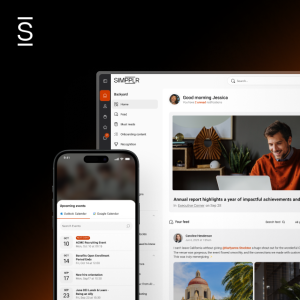
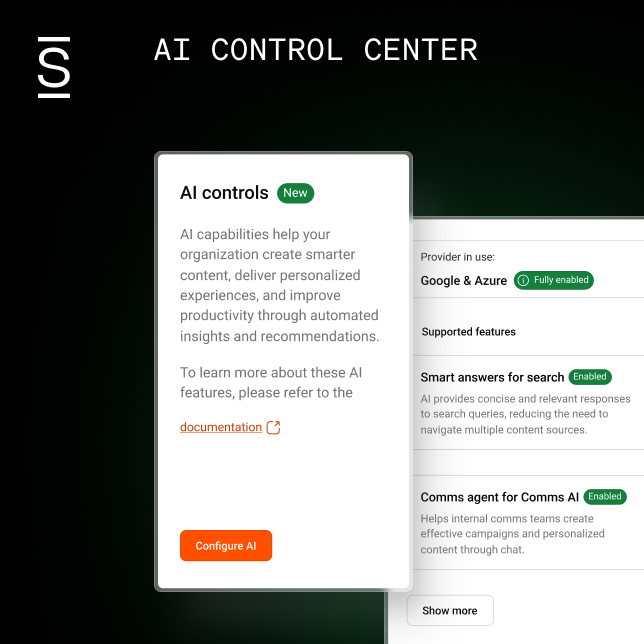
Keeping all these strategies in mind and checking if your performance management system has them can occupy most of your productive time. That’s where an AI-powered intranet like Simpplr can make a real difference.
Benefits of a performance management system

Creates a culture of transparency and communication
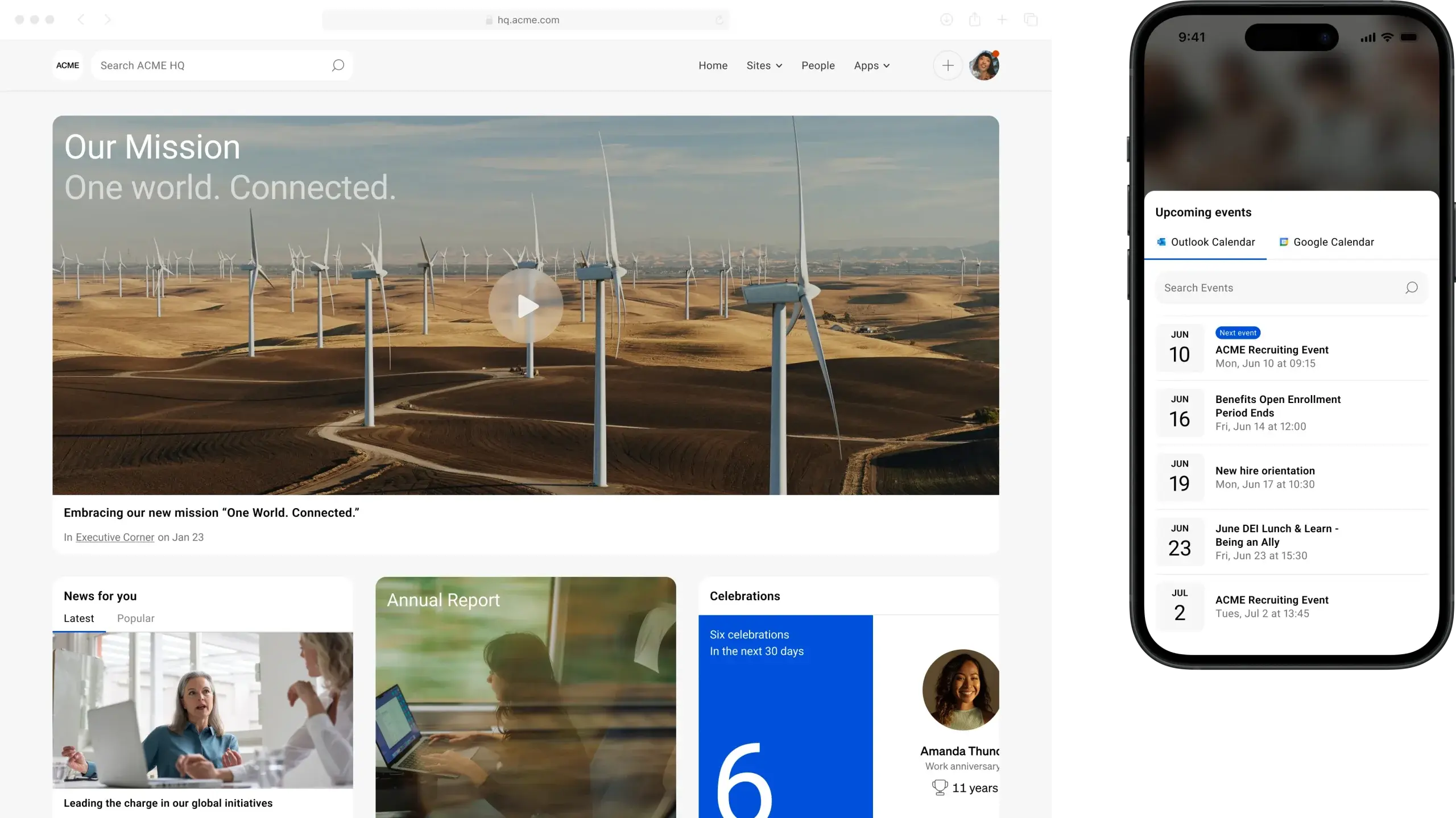
For people leaders, Simpplr’s approach to augmented intelligence shines through in features that support employee listening strategies with surveys, My Team dashboard, and consolidated insights & analytics. This enables managers to proactively address potential issues, opportunities and trends — ultimately leading to improved employee performance and productivity levels.
Watch a 5-minute demo
See how the Simpplr employee experience platform connects, engages and empowers your workforce.
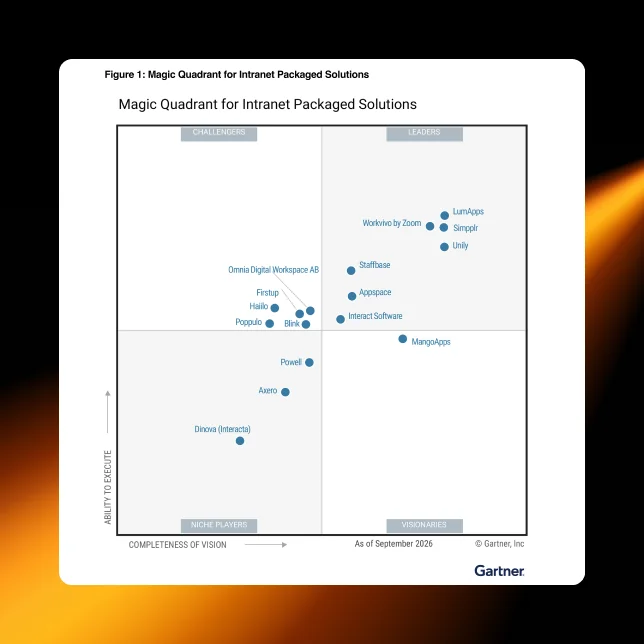
- #1 Leader in the Gartner Magic Quadrant™
- 90%+ Employee adoption rate
About the author

Srishti Mathur
Srishti Mathur is a Content Marketing Copywriter at Simpplr. With a professional degree in English Literature and Linguistics, she combines her passion for language with a strategic approach to digital marketing. Her expertise spans a diverse range of content types, including SEO-focused blogs, informative glossaries, and compelling video scripts, ensuring consistent messaging across all platforms. In her spare time, she can be found playing with her dog or planning a new trip to beaches. Connect with Srishti on LinkedIn.