


We put so much effort and money into finding and hiring new talent. We need to put as much effort into making them feel like they made the right decision — even before day one. A positive first impression during employee onboarding builds a foundation for long-term success.
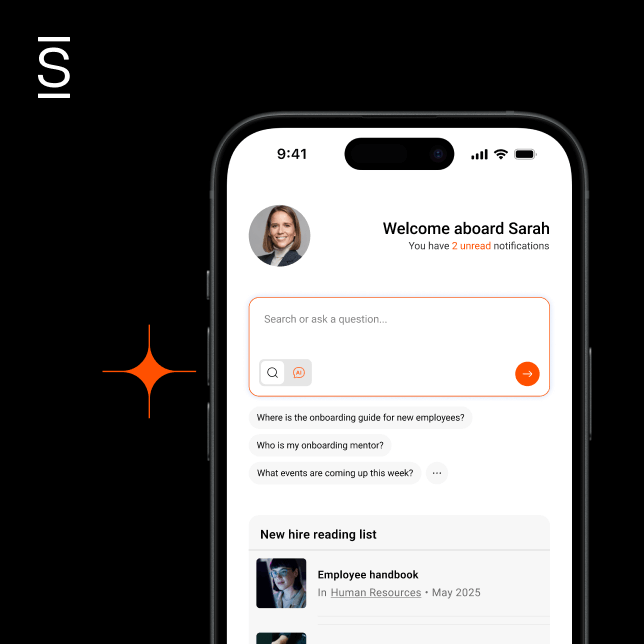
Transform your employee onboarding with AI personalization
Transform your employee onboarding with AI personalization
Table of contents
- 1 Why personalized employee onboarding matters
- 2 Benefits of personalized employee onboarding
- 3 The challenge of personalizing onboarding at scale
- 4 How AI can transform your onboarding process
- 5 Essential AI tools for personalized onboarding
- 6 steps to personalizing employee onboarding with AI
- 7 How Simpplr helps personalize employee onboarding
Are you truly setting your new hires up for success, or are they facing disjointed, generic, and overwhelming administrative hurdles as they join your organization? A positive, personalized employee onboarding experience can boost new hire retention both in the short and longer term.
Microsoft research discovered that new hires satisfied with their onboarding at 90 days are twice as likely to stay with the company a year and a half down the road.
How do you deliver a level of individualized attention at the scale required by today’s distributed workforce? Only 12% of employees strongly agree their organization does a great job of onboarding, according to Gallup. This gap between expectation and execution is where organizations lose momentum, engagement, and, ultimately, talent.
Despite all the AI hype, one proven use case for the power of AI is employee onboarding. AI can help us bridge the human need for personalization with the operational efficiency HR requires.
Why personalized employee onboarding matters
The case for personalized onboarding rests on two realities: the measurable costs of getting it wrong and the rising expectations of today’s workforce.
The high cost of generic onboarding
Let’s face it, onboarding is one of those processes where there are a lot of forms, mandatory training, and required reading. A generic, compliance-driven onboarding process isn’t just a missed opportunity — it’s a significant financial drain. When a new hire has a poor onboarding experience, the costs quickly escalate.
One-third of new hires quit within the first six months, and poor onboarding is often cited as a key factor (SHRM).
The average cost to replace an employee can range from one-half to twice the employee’s annual salary, according to various estimates, making every lost new hire a substantial financial loss.
Beyond turnover, poor onboarding contributes to lower engagement and productivity delays. When a new employee doesn’t feel supported, informed, or connected, their time-to-productivity slows.
An effective onboarding program can reduce employee turnover by up to 50% and increase new hire productivity by 62% (SHRM).
The challenge is to automate and simplify employee onboarding, while delivering a personalized experience that delights new employees and keeps HR compliant and efficient.
Personalization meets employee expectations
Personalization across the many aspects of the workplace experience is a base expectation in today’s world. The bar has been raised on how we expect our work tech to operate because of how we’ve come to rely on applications we use in our everyday life. Tech that learns our preferences, serves up recommendations, and makes it easier to get things done.
Bringing more of this “outside tech” experience into your “workplace tech” requires that we bring personalization into the digital employee experience by offering adaptable interfaces, personalized paths, and content recommendations tailored to individual roles, goals, and interests.
Personalization shifts onboarding from a transactional checklist to a strategic talent development tool. It recognizes that an onboarding software engineer in San Francisco has different needs and priorities than a manufacturing technician in Singapore or a salesperson in London.
Benefits of personalized employee onboarding
Organizations that tailor the experience to individual roles, learning styles, and career paths see concrete improvements in the metrics that matter most.
Higher retention from day one
When onboarding reflects a new hire’s role, team, and learning preferences, they immediately feel seen and supported. Modern employee experience platforms make this easy by curating the right content and connections, helping new hires feel confident and grounded from the start.
Faster time-to-productivity
Personalized training, timely introductions, and role-specific guidance help new hires focus on exactly what they need. With the right technology managing these steps behind the scenes, employees spend less time searching for information and more time contributing to meaningful work.
Enhanced employee satisfaction
A thoughtful, tailored experience signals that the organization is committed to each employee’s success. When people can easily find the information they need, navigate their first steps, and feel welcomed through a cohesive digital experience, satisfaction and engagement rise from the start.
Improved cultural assimilation
Personalization also accelerates a sense of belonging. Connecting new hires with the right communities, sharing local or team norms, and offering culture-specific insights helps them feel integrated into the social and professional fabric of the company much faster.
The challenge of personalizing onboarding at scale
The benefits of personalized employee onboarding are clear. But these are the issues that have hindered HR prior to the advent of today’s technology.
Resource constraints in HR departments
HR teams are often lean, struggling to manage the core compliance and administrative load. Manual customization for every new hire, particularly in high-volume hiring environments, is simply unsustainable.
Diverse workforce needs and preferences
A one-size-fits-all approach fails when employees span multiple generations, cultures, languages, and other demographics. AI helps by learning specific user preferences and allowing fine-tuned delivery to individual new hires or particular cohorts, such as an intern group.
Balancing consistency vs. customization
HR must ensure a consistent and compliant experience (e.g., policy review, regulatory training) while simultaneously customizing the rest of the journey. Achieving this balance manually can be complex and error-prone.
This is where AI becomes HR’s friend, making it personal to overcome each of these hurdles and personalize employee onboarding so the new-hire experience is truly memorable.
How AI can transform your onboarding process
AI can personalize onboarding across four key phases: preboarding communication, day-one experience, ongoing learning, and success measurement.
1. Personalize preboarding communication for new hires
We’ve done the hard work in finding the right person to fill our requisition. They’ve accepted our offer and eagerly anticipate getting started.
Consider what happens, however, if a long email drops into their inbox with a dozen attachments to read — maybe even print, sign, scan, and return. All this while they are completing training (hopefully online!) so they arrive ready to go. It’s no wonder that their eager anticipation may be diminished.
We know preboarding has its paperwork components, but the onboarding experience can be tailored so that AI uses data such as their role, experience, and location to personalize the employee experience from the start.
Personalized onboarding can include:
- Creating welcome communications beyond generic email. AI-driven platforms can generate customized preparation materials, including virtual introductions from the hiring manager, increasing excitement and reducing drop-off rates between offer acceptance and start dates.
- Curating the right resources automatically. Instead of overwhelming new hires with long documents, the right tech can surface role-specific guides, short videos, team intros, and other essentials without being burdened with irrelevant information.
- Recognizing patterns and anticipating questions new hires are likely to have and delivering answers proactively to create clarity from the start.
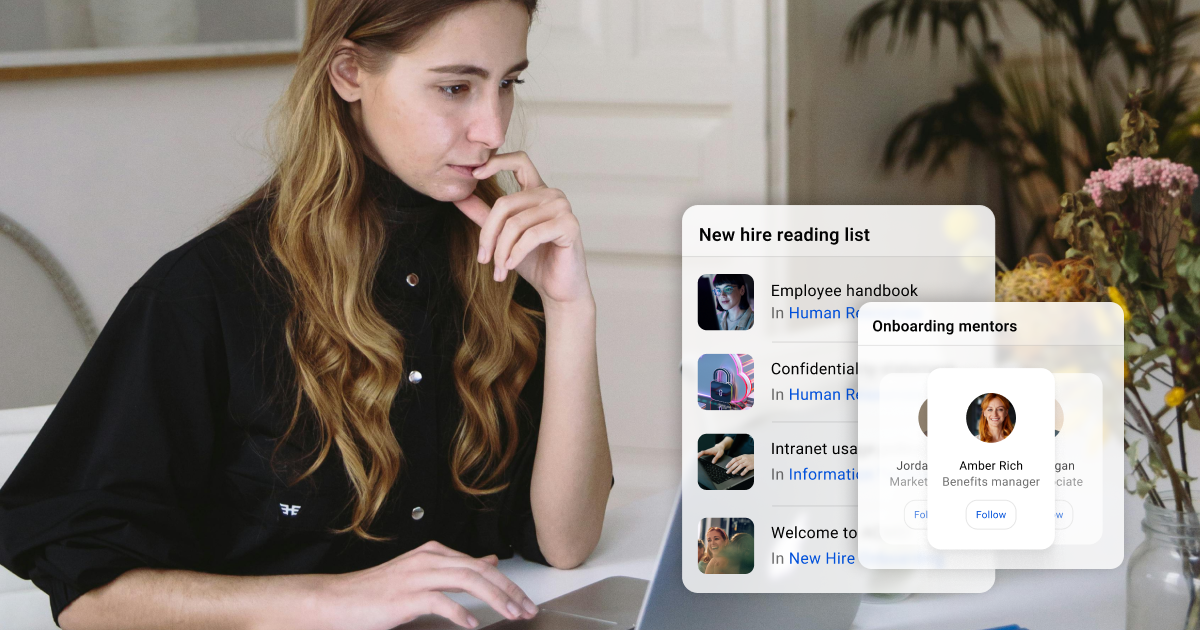
- Building a sense of belonging early and naturally by suggesting mentors, peer connections, or employee communities that align with a new hire’s interests. This empowers new hires to make connections early on, amplifying their experience.
A PwC Pulse Survey found that 43% of employees prefer digital onboarding processes. AI automation makes onboarding easier on HR and IT as well by organizing routine mandatory tasks and reducing manual effort. This ensures nothing important slips through the cracks.
2. Optimize the employee experience from day one
The first day carries a lot of weight. Whether someone is working remotely or walking into the office, thoughtful technology can help make their experience feel smooth, clear, and genuinely welcoming.
Here are ways you can make their first day memorable:
- Personalize their digital workspace so it feels familiar. Instead of digging through scattered links or guessing where to begin, they’re guided to a clear starting point, essential tools, and the people they’ll work with most. This small moment of clarity goes a long way in reducing first-day anxiety and helping them feel grounded.
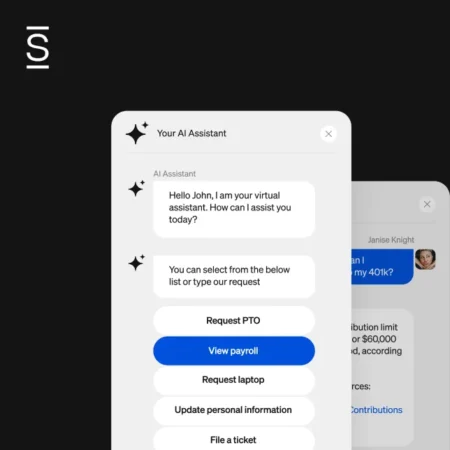
- Offer seamless support and instant answers. Whether a new hire is trying to set up a device, find a policy, or understand how to submit a request, intelligent assistance can provide instant guidance and route more complex questions to the right person. It keeps momentum strong and frees HR and IT from repetitive troubleshooting.
- Give new hires visibility into their team, cross-functional partners, and available communities. A simple introduction or welcome post can spark immediate interaction. Messages, reactions, and warm greetings help someone feel part of the culture within hours, not weeks. That early sense of belonging often shapes long-term engagement.
- Adapt the first-day experience to the individual. Orientation materials, setup steps, and learning moments can unfold at a pace that matches how each person works — offering more support when needed and removing irrelevant steps entirely. This creates a sense of ease, helping new hires stay confident as they navigate unfamiliar tools and processes.
- Empower managers to show up ready and engaged. Reminders to check in, suggested talking points, or quick context about a new hire’s working style help leaders create a more personal welcome. These seemingly small moments of care often define the tone of the entire onboarding journey.
Process optimization should be a blend of “head” and “heart.” Efficiency matters: fewer manual steps, clearer guidance, and a smoother, more scalable workflow. But so do the meaningful moments: warm welcomes, early connections, and experiences that make someone feel like they’re joining a community, not just a company. Human interaction remains central, while the right technology creates the space and the signals for genuine connection.
3. Customize an ongoing learning path
It shouldn’t be a game of chance that the new hire stumbles across what they need, when they need it. AI-enabled tools help ensure new team members are getting access to the right people, content, tools, and answers.
AI-powered learning systems adapt to each employee’s progress and needs:
- Employees start with a prebuilt learning map that blends company fundamentals with role and team-specific content. As they progress, the map adapts to reflect new responsibilities and evolving skill needs, keeping development continuously aligned with their journey.
- Quick knowledge checks confirm understanding of key concepts. This can include compliance requirements, policies, or job-specific skills. As employees advance, the system adjusts the pace and complexity of content so learning always feels appropriately challenging.
- Support appears exactly when someone needs it. When patterns show an employee getting stuck or searching repeatedly for the same information, targeted microlearnings or short walkthroughs surface to keep them moving forward.
- Learning flows naturally with the work itself. As employees join projects or shift roles, relevant guides and resources appear right in the moment, making development feel seamless rather than like a separate task.
- Growth is strengthened through the right connections. Intelligent recommendations can introduce employees to mentors, advisors, or communities aligned with their goals, while managers receive gentle insights to better support ongoing development.
Beyond learning, AI also provides the data and insights needed to measure onboarding success and continuously improve the experience.
4. Measure employee onboarding success
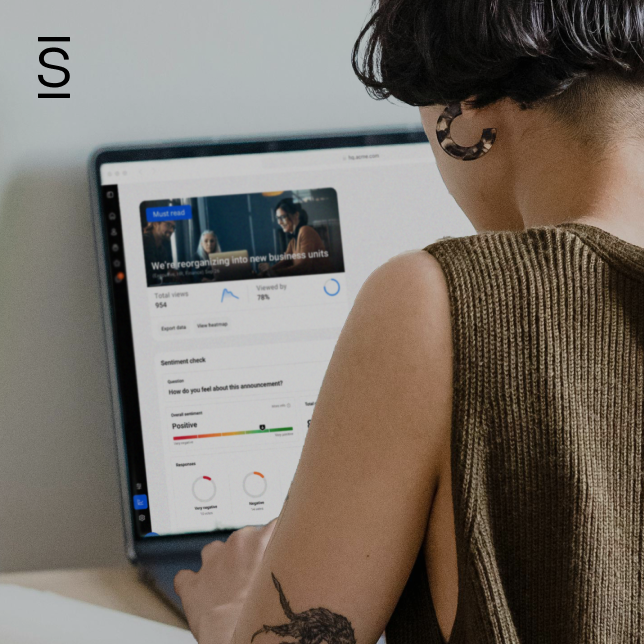
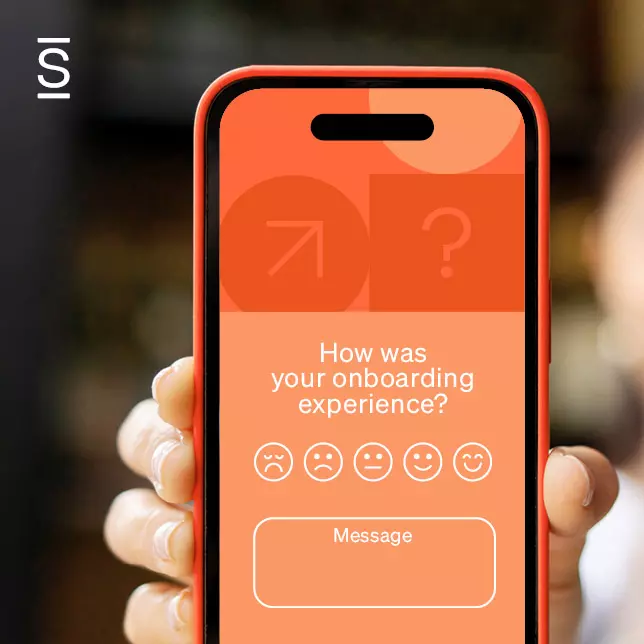
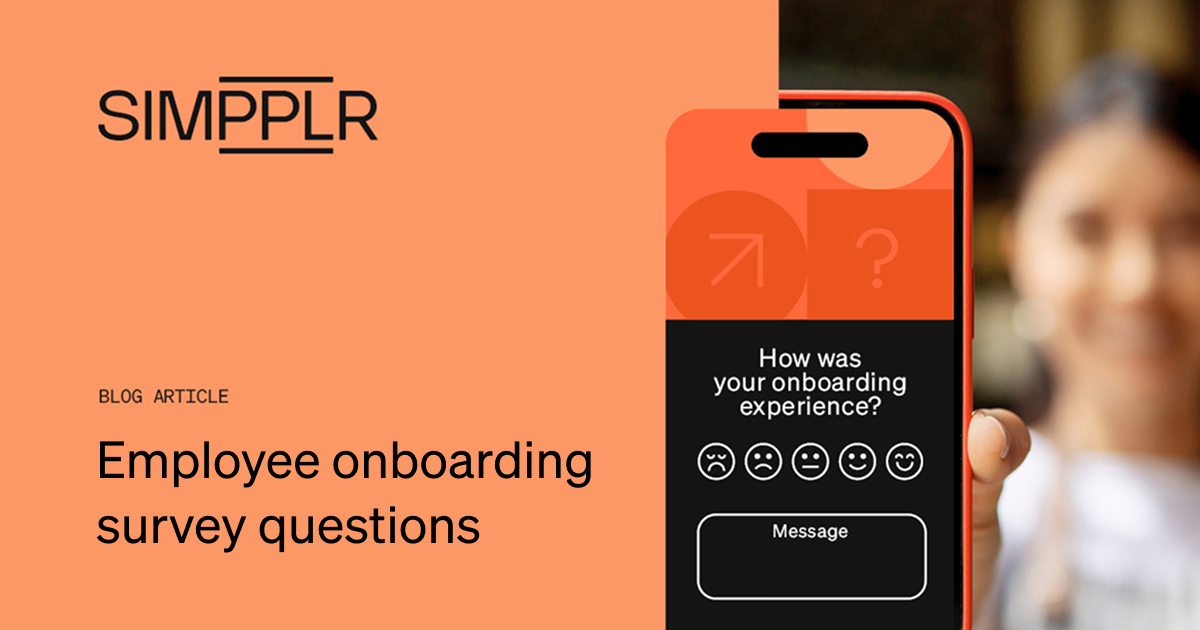
AI can prompt for input and gather reaction, sentiment, and responses to specific questions. This can be done real-time, such as after completing onboarding training or as an employee NPS survey taken at intervals, e.g., after the first 30 days.
AI-powered measurement and analytics provide:
- Real-time sentiment analysis that monitors emotional indicators, flagging confusion or dissatisfaction, low levels of task completion, or lack of engagement with colleagues.
- Predictive analytics that identify early warning signs of disengagement or potential turnover, enabling timely interventions with human support before the issue escalates.
- Continuous improvement insights that allow HR to refine content, timing, and communication channels for every subsequent cohort, improving performance, time-to-productivity, and retention metrics.
These measurement capabilities close the loop on AI-powered onboarding by using real data, not assumptions, to ensure continuous improvement.
Essential AI tools for personalized onboarding
Advanced AI technologies deliver dynamic, personalized onboarding experiences. Look for these functionalities in your onboarding applications and integrated systems.
Natural language processing (NLP)
NLP enables applications to understand and generate human language. This is especially visible in chatbots that offer instant, relevant answers to routine policy, benefits, and logistical queries, such as the “where do I…,” “how do I…,” and “what is…” questions common to new hires.
Generative AI (gen AI)
We have all quickly adopted various gen AI tools to help create content such as training materials and communications. Gen AI is perfectly suited to create onboarding checklists, write role-specific welcome communications, and summarize complex documents into easily digestible formats.
Machine learning (ML)
ML algorithms analyze data points like a new hire’s background, role, and assessment scores to power dynamic content recommendation engines. These engines identify learning preferences, customize content formats (video, text, simulation), and adjust the learning path’s pace and depth in real time.
ML also enables real-time sentiment analysis — both active (pulse surveys) and passive (monitoring engagement with content or colleagues). This analysis can provide early warning signals about dissatisfaction or confusion that might otherwise lead to costly early turnover. ML tools can analyze historical data to predict which employees are likely to succeed or struggle and what interventions to deploy.
These AI capabilities are powerful, but they don’t work in isolation. Success depends on choosing the right technology partners and integrating them thoughtfully into your existing HR tech stack.
3 steps to personalizing employee onboarding with AI
The implementation steps follow a familiar pattern: Assess where you are, evaluate what tech you need, plan the rollout. Nothing new from a planning and process perspective, but the details around data and tech choices will make a huge difference.
Step 1: Assess your current state
Map out the existing employee onboarding process. Start from offer acceptance to at least the 90-day mark. Identify every manual step (e.g., form chasing, IT setup, manager nudges) and every automated step. Gather data points that quantify opportunities to save time and money and improve outcomes (e.g., time-to-productivity).
Evaluate current technology and data readiness. AI systems depend on the right data. Assess your tech stack to confirm what you can integrate via APIs and evaluate the accuracy and completeness of your data. Process workflow and system/data readiness reveals gaps you need to address through enhancements to existing technologies or investment in new ones.
Build the business case. We all have to evaluate the ROI of any change, especially when hard-dollar investment is involved. The good news: If you have a sufficiently high volume of new hires, the math works in your favor. Factor in reduced turnover costs, faster time-to-productivity, and HR efficiency gains to build a compelling case.
Step 2: Select the right technology partners
Major enhancements typically require an investment in new technology. A patchwork of applications means we need to evaluate how we can create a more seamless, unified onboarding experience.
These are evaluation criteria on my own tech evaluation checklist:
- Is the application highly interoperable and extensible?
- What is the software vendor’s rate of AI innovation?
- Are they actively investing in the areas that matter to me?
- What is their view of the future and does it align with ours?
- Do they help me unify the user experience as much as possible?
The personalization power of AI is entirely dependent on trustworthy data, so integration and interoperability have to be a given. Out-of-the-box APIs should pull critical fields into automated workflows. Our HRIS is the source system for personalization, helping us create role-based content that goes beyond welcoming them to the team to an experience that speaks to each individual, so our onboarding applications need to integrate seamlessly.
We also need LMS integration for seamless learning paths. This lets us track and record training compliance and pull curated, adaptive training maps. Most of our HR and employee-facing technologies (e.g., ticketing systems) need to integrate to automate tasks and create a smoother and more engaging experience from day one.
Having completed these two steps, we will have a clear picture of the onboarding workflow we want to achieve, and the tech solution(s) that will allow us to get there. Now to the rollout plan.
Step 3: Scale, optimize, and manage change
This is where our proven change management muscles kick into action. As I wrote in a previous blog on AI transformation, we can apply our tried-and-tested approaches to leading change in this AI era by acknowledging the need for clarity and context, support to learn and adapt, employee involvement, and ongoing reinforcement.
Within our onboarding processes — especially as we automate processes and feedback — we have access to great data, whether that’s analytics from our systems or sentiment analysis from participants. This allows for continuous improvement because we might not get things right the first time, and that’s OK.
How Simpplr helps personalize employee onboarding
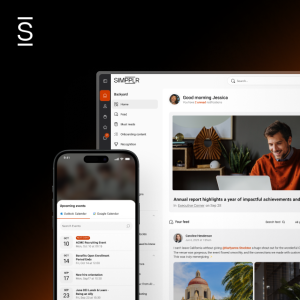
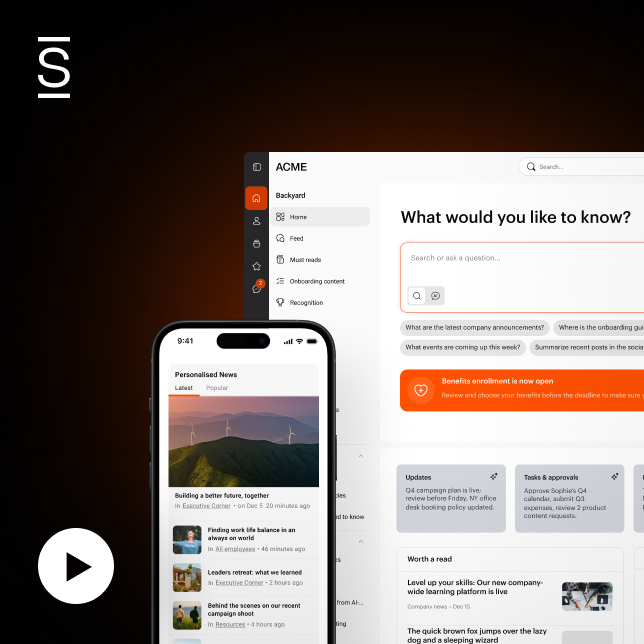
Simpplr’s AI-powered employee experience platform ensures the onboarding experience extends far beyond generic forms and checklists. Instead of pushing the same information to every new hire, content is tailored based on role, department, location, and state in the employee journey.
AI-powered recommendations and workflows guide new hires to what’s most relevant — from essential reading (employee manual), welcome content (CEO video), or training (security and compliance). They find everything in one digital workplace, with prompts on what to complete and when.
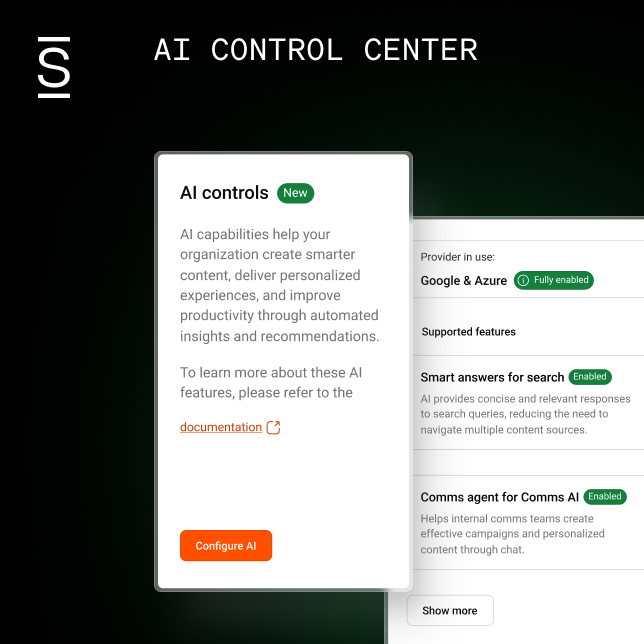
Along the way, AI gathers feedback, monitors employee sentiment, and serves up actionable insights to monitor progress. Simpplr’s AI Assistant and enterprise search helps employees find accurate answers and relevant information so they get just what they need when they need it.
By automating the work of work, Simpplr frees up HR teams and managers to focus on the interpersonal moments that solidify engagement and cultural assimilation, making the onboarding process compliant, efficient, and genuinely welcoming.
Ready to discover how Simpplr can help you personalize employee onboarding? Request a demo today.
Watch a 5-minute demo
See how the Simpplr employee experience platform connects, engages and empowers your workforce.
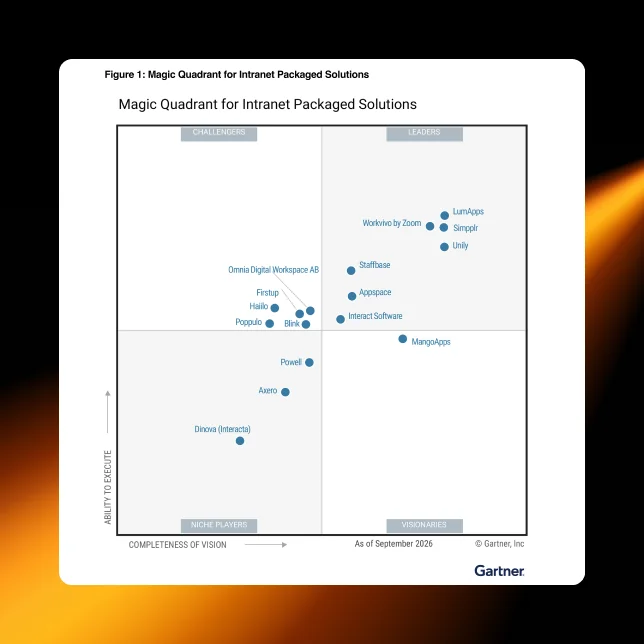
- #1 Leader in the Gartner Magic Quadrant™
- 90%+ Employee adoption rate