

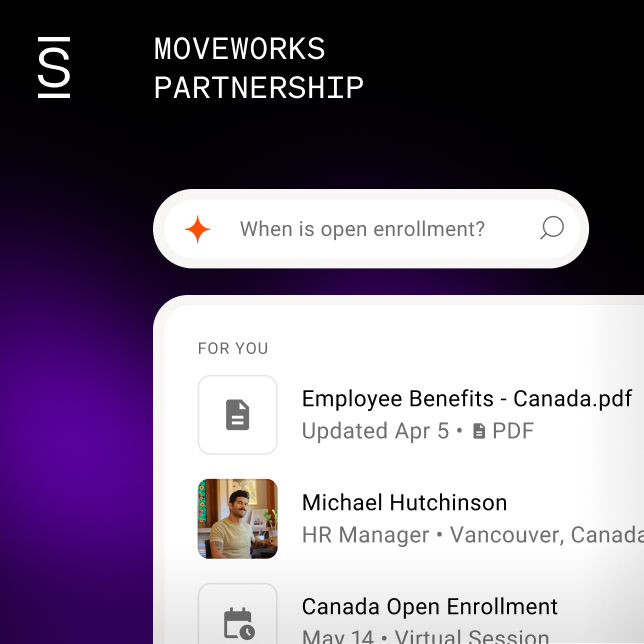




So, you want better tools — but getting buy-in isn’t easy. Too often, we hear leaders asking, Why can’t internal communication teams use the tools the organization already has? “Why not SharePoint?” “Can’t we post it on ServiceNow?” What they don’t see is that internal comms isn’t just about sharing information — it’s about shaping culture, fueling performance, and enabling change.
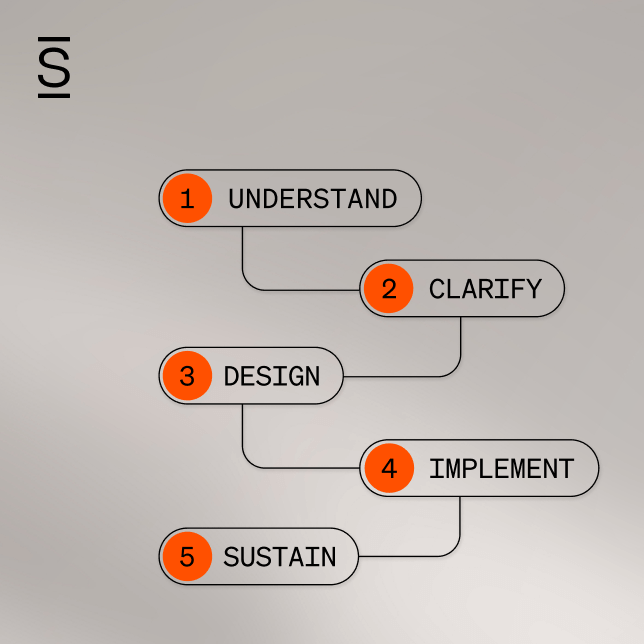
Why an internal communication audit is the first step to a business case for better tech
Why an internal communication audit is the first step to a business case for better tech
Table of contents
- 1 Why every communication transformation starts with an audit
- 2 Internal communication audits as a business case and more
- 3 Key components of an effective internal communication audit
- 4 Bridging communication audit findings to business impact
- 5 From an audit to the tools and technology you need
- 6 Get started on an internal communication audit
That’s why transformation can’t start with technology alone. It starts with understanding the role and potential of communication. This is exactly what an internal communication audit delivers. While many organizations use the audit process as a way to build a business case for new tools or resources, a great audit does much more than that.
A well-structured, thoughtfully conducted audit becomes the foundation for lasting transformation — one that redefines how communication creates value across the organization. It also does something just as important: It turns skepticism into evidence, opinion into insight, and resistance into buy-in.

Why every communication transformation starts with an audit
Audit might sound like a scary word, but it can be a communication leader’s best ally. When done well, an audit provides a clear picture of what’s working and what’s not. It shines a light on the value of internal communication, highlights strengths and opportunities, and provides the data and understanding needed to make the case for improvement.
Best done by an independent third party, an audit examines all elements of employee communication. It’s a fresh look at everything from a qualitative and quantitative perspective.
Most of all, it asks important questions that go beyond the effectiveness of individual channels — questions about how communication builds trust, sustains culture through change, strengthens engagement, and turns strategy into action.
An audit also provides the communication team with something often missing — credibility. It turns opinions into evidence and gives communication professionals the confidence and clarity to have strategic conversations with leaders about what’s needed to move forward. Without one, you risk staying stuck in the same frustrating cycle of budget rejections, skeptical senior leaders, and, worst of all, employees who are disengaged, underperforming, and resistant to change.
Internal communication audits as a business case and more
At the heart of every Vision2Voice audit is one crucial question: How can employee communication fulfill its potential as a strategic driver of performance, culture, and change?
Often, an audit begins because something feels off. Employees may have identified communication as a weakness in an engagement survey. There may be a growing disconnect between leaders and employees, which is leading to distrust and disengagement.
Or maybe the communication team knows what needs to change — better tools, clearer strategy, new approaches — but just can’t get the traction or support to move forward.
Here are a few examples of the bigger questions at the heart of our audits:
- A communication leader in a growing city wanted to understand how internal communication could better support a culture of customer service
- A university asked us to explore how communication could strengthen its brand from the inside out
- A manufacturing company wanted to reach its frontline workers more effectively
When you start with the right questions, an audit becomes the foundation for lasting transformation — redefining the role and impact of internal communication — and makes the case for the support, investment, resources, and tools.
More than an assessment
A few things make an audit different from an internal review or business case:
- Independence and objectivity: When an independent, expert partner like Vision2Voice conducts the audit, insights are grounded in evidence and free from internal bias — and, importantly, they’re often heard differently by leaders, creating the space for real change.
- Experience and proven frameworks: Our team uses tested frameworks to identify strengths, weaknesses, opportunities, risks, and gaps. After conducting dozens of audits across sectors, we know what to look for and how to connect findings to practical solutions.
- A complete picture: A full assessment explores communication from every angle and perspective. We listen to leaders, managers, and employees and connect what’s on paper with what people actually experience. This depth allows us to uncover root causes rather than surface issues.
- Actionable recommendations: Every audit ends with clear, evidence-based steps for improvement — a roadmap that guides communication leaders from insight to action and transformation.
Key components of an effective internal communication audit
An effective communication audit starts with listening — really listening — to senior leaders, employees, and the communication team itself. It’s about uncovering the story behind the numbers and understanding how communication connects to the organization’s direction, culture, and challenges. We examine how well communication supports business goals, how people experience it day-to-day, and whether the right systems and relationships are in place to help everyone thrive.
Data and metrics are essential, but they only tell part of the story. The real insight often comes from qualitative feedback — the conversations that reveal why employees tune out messages or what makes them feel seen and heard.
By combining both quantitative and qualitative insights, an audit moves beyond measurement to understanding — the kind of understanding that sparks meaningful, lasting change. We take an ecosystem approach, looking at how each channel is used.
Here are some of the findings of our communication audits:
- Town halls were ineffective because managers weren’t addressing the real question on everyone’s minds
- An overreliance on email in place of meaningful interaction with senior leaders left employees informed but increasingly disconnected
- A global manufacturer with 10 different SharePoint sites left everyone confused
- Frontline workers felt unheard and unseen because the organization lacked the tools and technology to reach them
- Information silos prevented employees from seeing the real impact of their work
Of course, an audit won’t make a difference unless it highlights the real cost of ineffective employee communication. We’ve found the costs of ineffective communication run deeper than missed messages. They show up as frustration, broken trust, and people who no longer feel valued or appreciated.
Psychological safety erodes, change feels relentless, and employees spend precious time hunting for information because there is no single, reliable source of truth. Over time, the common sense of purpose fades — and with it, engagement, energy, and performance.
An effective audit doesn’t end with insights; it begins there. The real power lies in transforming those insights into practical recommendations for strategies that inspire people and propel the organization forward — with tools and technology to do it right.
Bridging communication audit findings to business impact
For us at Vision2Voice, the best part of the audit process comes at the end, when we present the results to senior leaders. In one recent project, more than 40 leaders joined the conversation — the full C-suite including the CEO. That level of engagement matters. It’s where we connect what leaders care about most — strategy, performance, culture, risk, retention — with the communication gaps the audit has uncovered.
We do this by pairing data with stories. The numbers show clear patterns; the voices of employees bring those patterns to life. Together, they reveal where communication is helping and where it’s holding the organization back.
Leaders see the potential, the opportunities, and, in many cases, how small, practical changes can have a significant impact. From there, we outline clear priorities and a business case for investment — including better tools and systems — all directly tied back to the audit findings and to the outcomes leaders want to achieve.
In several audits, we’ve met frontline employees who are deeply committed to their work and genuinely want to help the organization succeed — but don’t actually know what the strategy is. They show up every day, solve problems for customers or clients, and do their best, yet the bigger picture remains blurry. No one has connected the dots between the goals at the top and the work they do on the ground. The result isn’t resistance; it’s resignation — people who want to contribute more but don’t know where to aim their efforts.
The challenge of communication chaos
We also regularly see teams overwhelmed by noise. Email after email. Multiple platforms. Competing updates. No personalization. Important messages are buried under “all-staff” announcements, and employees spend valuable time trying to figure out what applies to them.
At the same time, huge change initiatives falter because people don’t feel supported or informed along the way. We’ve heard from employees who feel invisible — unsure whether their work matters — and from leaders worried that the brand they care about is being eroded from the inside because employees don’t share a clear understanding of who the organization is and where it’s going.
In many organizations we audit, the greatest variability isn’t in the channels — it’s in leaders. We see managers delivering messages in vastly different ways, at different times, with different levels of clarity and confidence.
Some translate strategy into everyday meaning for their teams; others avoid communication because they don’t feel equipped to do it well. The result is an uneven employee experience. Depending on who you report to, you may feel deeply informed and connected or completely in the dark.
This is particularly striking because managers are consistently the most trusted source of information for employees. They shape people’s day-to-day experience of the organization more than anyone else. Yet they’re often the most squeezed and stressed group, juggling demands from above and below, with limited time, minimal resources, and little to no training in communication.
When managers aren’t supported, the whole organization feels it. Confusion grows, alignment frays, and trust becomes local instead of universal.
That’s where modern communication tools and channels matter. When technology makes it easier for managers to access the right information, tailor it to their teams, and share it in ways that work for them, consistency increases — and so does trust across the organization.
From an audit to the tools and technology you need
When the role and value of internal communication are truly understood, equipping teams to do their best work isn’t a nice-to-have — it’s essential.
An audit makes one thing clear: Communication deserves the same investment in purpose-built tools and resources as every other strategic function. Finance doesn’t depend on engineering software to do its job, and communicators shouldn’t have to rely on tools never designed for theirs. But technology alone isn’t enough.
Real-world proof
The internal communication audit we conducted for Airlite Plastics is a perfect example. Yes, one outcome was a business case for a modern communication platform — but the value went far beyond that. The audit offered a complete picture of how communication was working across the organization, and those insights became the foundation for everything that followed.
The audit became the team’s “bible,” guiding not just the choice of platform but also how it was built, structured, and launched. It informed content priorities (connecting employees to corporate strategy and priorities), format (translation into multiple different languages), and delivery (mobile-friendly for employees who don’t sit at a desk). It also shaped the ecosystem supporting the platform and clarified the platform’s strategy.
In the end, the technology wasn’t the solution on its own; it was part of a larger transformation made possible by understanding how communication connects people, culture, and purpose.
In every case, the audit revealed insights that reshaped how leaders thought about internal communication — and the powerful role it plays in organizational success.
Get started on an internal communication audit
At Vision2Voice, this is the work we love most. For more than 25 years, we’ve helped organizations transform employee communication — not as a tactic but as a powerful driver of culture, engagement, and performance.
We’ve been recognized internationally by the IABC for excellence in internal communication, and Andrea’s deeply human, people-first approach has made her one of the most respected voices in internal communication today.
Our team includes award-winning senior strategists in internal communication and change, and clients tell us we’re not only experts but also genuinely great partners to work with.
In addition to audits, we work alongside communication professionals and their leaders to understand how communication is shaping change, retention, trust, and results. Our digital studio is dedicated to modern digital employee experience — intranets, platforms, and tools that make communication work in the real world.
We bring a collaborative team approach, blending data analysis with deep listening so leaders don’t just see charts and metrics — they hear the voices of their people and the stories behind the numbers. From there, we stay by your side, helping turn audit insights into meaningful, sustained transformation.
If you’re ready to strengthen your internal communication, align your people around purpose and strategy, and give your teams the tools they need to thrive, we’d be honored to partner with you.
And if you’d like to learn more first, explore the nearly 90 articles on our site, dive into our case studies, or subscribe to our newsletter, The Strategist — all available at vision2voice.ca.
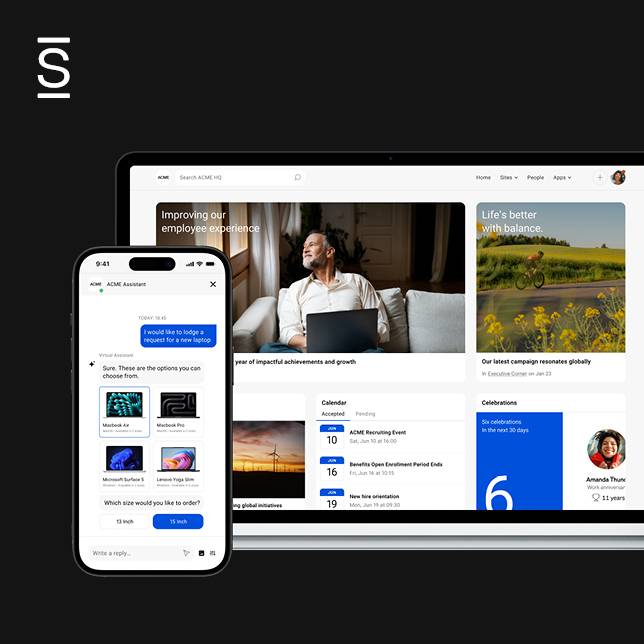
Watch a 5-minute demo
See how the Simpplr employee experience platform connects, engages and empowers your workforce.
- #1 Leader in the Gartner Magic Quadrant™
- 90%+ Employee adoption rate