




You built the wellness program. Leadership approved it. Communications promoted it. The launch was strong — good turnout, positive feedback, solid initial participation. Then six months later, utilization is down 60% and you’re not entirely sure why.

How to sustain your employee wellness program beyond the launch
How to sustain your employee wellness program beyond the launch
An employee wellness program is a structured set of initiatives designed to support employees stay healthy and high-performing across four pillars: physical (screenings, ergonomics, fitness, nutrition), mental and emotional (EAPs, counseling, mindfulness, manager training), financial (retirement education, debt management, emergency savings), and social/workplace (belonging initiatives, flexible work, volunteerism, healthy work design). Well-run wellness programs don’t just feel good, they pay off.
A meta analysis found that medical costs fall by about $3.27 for every dollar spent on wellness programs and that absenteeism costs fall by about $2.73 for every dollar spent.
Most organizations pour energy into building wellness programs but none into what happens after. Initial curiosity is bound to fade into “just another thing HR sent an email about.” The harder work is keeping it relevant when work fatigue sets in, AI anxiety shifts employee stress patterns, and economic uncertainty changes which benefits actually matter.
Current workplace pressures don’t pause because your program launched successfully. If anything, they’re even more important in the midst of all these pressures. This guide helps you keep your employee wellness program alive, relevant, and effective beyond the launch honeymoon.

The early warning signals that your program is slipping
Before the warning signals flash, remember to check if the wellness program is set up for success. Low awareness, hard-to-navigate portals, limited time and inconvenient access, weak manager endorsement, thin or misaligned incentives can all cause employees to ignore well-initiated programs.
When these barriers stack up, you’ll see telltale slip indicators: drops in logins and event attendance, softer pulse‑survey sentiment, rising sick days, lower EAP uptake, and fewer manager referrals. Catching the early signals is what separates organizations that course-correct quickly from those that spend budget on a program nobody’s using.
Utilization patterns that signal trouble
Raw participation numbers rarely tell the full story. What matters is the shape of engagement over time.
Watch for:
- A steady month-over-month decline in active users that isn’t explained by seasonal patterns or organizational changes
- High initial sign-ups followed by low ongoing engagement shows that employees registered out of curiosity but never returned
- Usage concentrated among the same small group of employees, suggesting the program isn’t reaching the broader workforce
- Specific program elements going completely dormant while others hold steady, a strong signal that certain offerings have stopped resonating
What employees are telling you (if you’re listening)
It only works if employees feel it addresses their actual needs. When it stops doing that, they tell you. Sometimes directly, often indirectly.
Signs your employees wellness program is failing:
- Pulse survey scores on well-being decline or plateau despite active programming
- Managers flag team stress in one-on-ones even though resources are available
- Exit interview cite burnout or inadequate support at the workplace
- Employee questions or complaints about the program relevance surface in engagement channels
- Silence or no feedback, no questions, no organic conversation about the program at all is the biggest red flag
Organizational indicators
Rising absenteeism, declining engagement scores, or an uptick in voluntary turnover — particularly among high performers — indicates organization-wise decline in employee well-being. Healthcare claims data showing preventable stress-related issues is another indicator worth monitoring if your organization has visibility into those trends.
No single indicator is a crisis on its own. It’s the pattern across multiple signals — utilization dropping while absenteeism rises and survey scores stagnate. Track these signs to pinpoint what’s going wrong and step in early. Setting clear thresholds and simple response plans helps ensure signals trigger timely, right-sized action rather than reactive, ad hoc fixes.
Build a review cadence to catch problems early
Don’t wait for an annual review to realize your program has been losing ground for eight months. The organizations with sustainable wellness programs are checking in more frequently, making smaller adjustments regularly, and avoiding the expensive overhauls that come from letting problems compound. Here’s what a practical review rhythm looks like.
Monthly check-ins spot trends before they become problems
Monthly reviews can be as simple as a quick read on whether anything has shifted since last month and whether anything needs immediate attention.
Time investment: 30 to 45 minutes with your core wellness team
What to review:
- Utilization data by program element to learn what’s being used, what’s being ignored
- Recent employee feedback or questions surfacing in any channel
- Significant organizational changes that may be affecting workload or stress levels
What to decide:
- Does anything underutilized need a communications push or better visibility?
- Is there an emerging need that warrants a quick response?
- Are there any signals that trigger deeper investigation next quarter?
Quarterly deep dives help understand the why behind the data
Quarterly reviews are where patterns become clear and decisions get made. This is the rhythm that drives most of your active program management.
Time investment: Two to three hours with relevant stakeholders — HR, leadership, and program vendors where applicable,
What to review:
- Three-month utilization trends across all program elements
- Feedback loops on well-being and program effectiveness
- Organizational metrics — absenteeism, engagement scores, voluntary employee turnover — alongside program data
What to decide:
- Which elements are working and should be amplified?
- What needs to be adjusted, replaced, or retired?
- Are there emerging employee needs the program isn’t currently addressing?
- What should be tested or piloted before the next quarterly review?
Annual strategic review aligns with evolving organizational needs
The annual review is where you zoom out and focus on strategic direction for the year ahead. Day-to-day program management happens monthly and quarterly.
Time investment: A half-day strategic planning session with HR leadership and relevant business stakeholders
What to review:
- Full-year utilization, outcome, and ROI data
- How organizational changes — growth, restructuring, market shifts — have affected employee wellness needs
- What talent competitors are offering compared to your current offerings
- Budget and resource allocation for the coming year
What to decide:
- Strategic priorities and major program changes for the next 12 months
- What to add, retire, or significantly restructure
- Goals and success metrics that will anchor next year’s quarterly reviews
Frequent light reviews catch issues early. Annual reviews alone let problems compound for months before anyone acts.
Gauge success by outcomes achieved
Knowing that 200 employees attended the stress management workshop or 150 downloaded the mental health app tells you nothing about whether people feel less stressed. Participation is a starting point — not proof of impact.
The programs that earn sustained leadership support and budget are the ones that connect wellness investment to business outcomes, not just headcounts at a lunch-and-learn.
The participation trap
Most wellness programs default to activity metrics because they’re easy to collect and easy to report. Attendance figures, app downloads, resource page views, or how many people should make good bar charts in a slide deck but answer the wrong question. But the real impact of your program shows when you can see and quantify the impact.
What to track instead:
- Outcome metrics that show whether employee well-being is measurably improving over time
- Leading indicators that give you early signals about where well-being is heading before it shows up in business results
- Business metrics that demonstrate ROI in terms leadership cares about, including retention, absenteeism, and healthcare cost trends
Per Gallup Wellbeing research, employees who strongly agree their organization cares about their overall well-being are 49% less likely to be actively seeking a new job, 72% less likely to experience frequent burnout, and 5x more likely to be engaged at work.
What good looks like at six months
You’re building awareness and initial habits at this stage. In the first half-year, look for leading indicators that show the program is visible, understood, and starting to be adopted. These signals validate that your launch has landed and that managers are beginning to engage.
Six-month leading indicators to track
- Pulse survey scores on stress and well-being stabilize compared to prelaunch baseline
- Employees report awareness of available resources, even if not all are in active use
- Managers begin to reference program resources when supporting their teams
- Absenteeism holds steady or declining slightly
- Employee feedback confirms the program is visible and accessible
What good looks like at 12 months
A year in, awareness should be converting into measurable behavior change. At this point, shift your focus from visibility to consistency: sustained use, manager capability, and early business outcomes. You’re validating that the program is changing how people work, not just what they know.
Behavior and outcome signals at 12 months
- Meaningful improvement in well-being-related pulse survey scores compared to baseline
- Utilization patterns showing sustained engagement rather than a post-launch spike and drop
- Voluntary turnover declining, particularly among high performers
- Exit interview themes shifting away from burnout and lack of support
- Manager confidence in supporting team well-being visibly increasing
What good looks like at 24 months
At two years, a well-sustained program stops feeling like an initiative and starts feeling like part of how the organization operates. By now, the hallmark is integration—well-being is embedded in workflows, norms, and leadership agendas—with clear, financial proof points. You’re not just running a program; you’re operating a healthier system.
ROI markers at 24 months
- Sustained improvement in well-being scores that hold or continue improving beyond the one-year spike
- Well-being resources integrated into daily workflows rather than sitting in a separate portal
- Peer-driven conversation and organic support around well-being emerging without HR prompting
- Measurable ROI on retention, engagement, and healthcare costs over the two-year window
- Leadership treating well-being as a strategic business priority rather than an HR program
Keep your program alive and relevant
A program that works well today may miss the mark in two years if workplace dynamics have shifted underneath it. Work fatigue, economic uncertainty, and AI-driven anxiety don’t pause because your program launched successfully. A sustained wellness program doesn’t require constant reinvention, it requires staying close enough to employee reality to adapt before relevance erodes.
What that looks like in practice:
- Regular communication that keeps well-being visible without becoming noisy
- Resources are easy to find and available where employees already work
- Managers are equipped to recognize early signs of struggle
- Feedback loops help surface needs before they become retention problems
Start with what’s in front of you. Review your early warning signals this month, put your first review cadence on the calendar, and shift at least one metric from participation to outcomes. And if you haven’t yet built the strategic foundation your program sits on, the employee well-being strategy playbook is the right place to start.
How Simpplr helps you sustain wellness programs
Sustaining a wellness program requires infrastructure that keeps resources accessible and engagement visible. Simpplr centralizes wellness resources inside the platform employees already use daily, removing the friction that causes utilization to quietly drop.
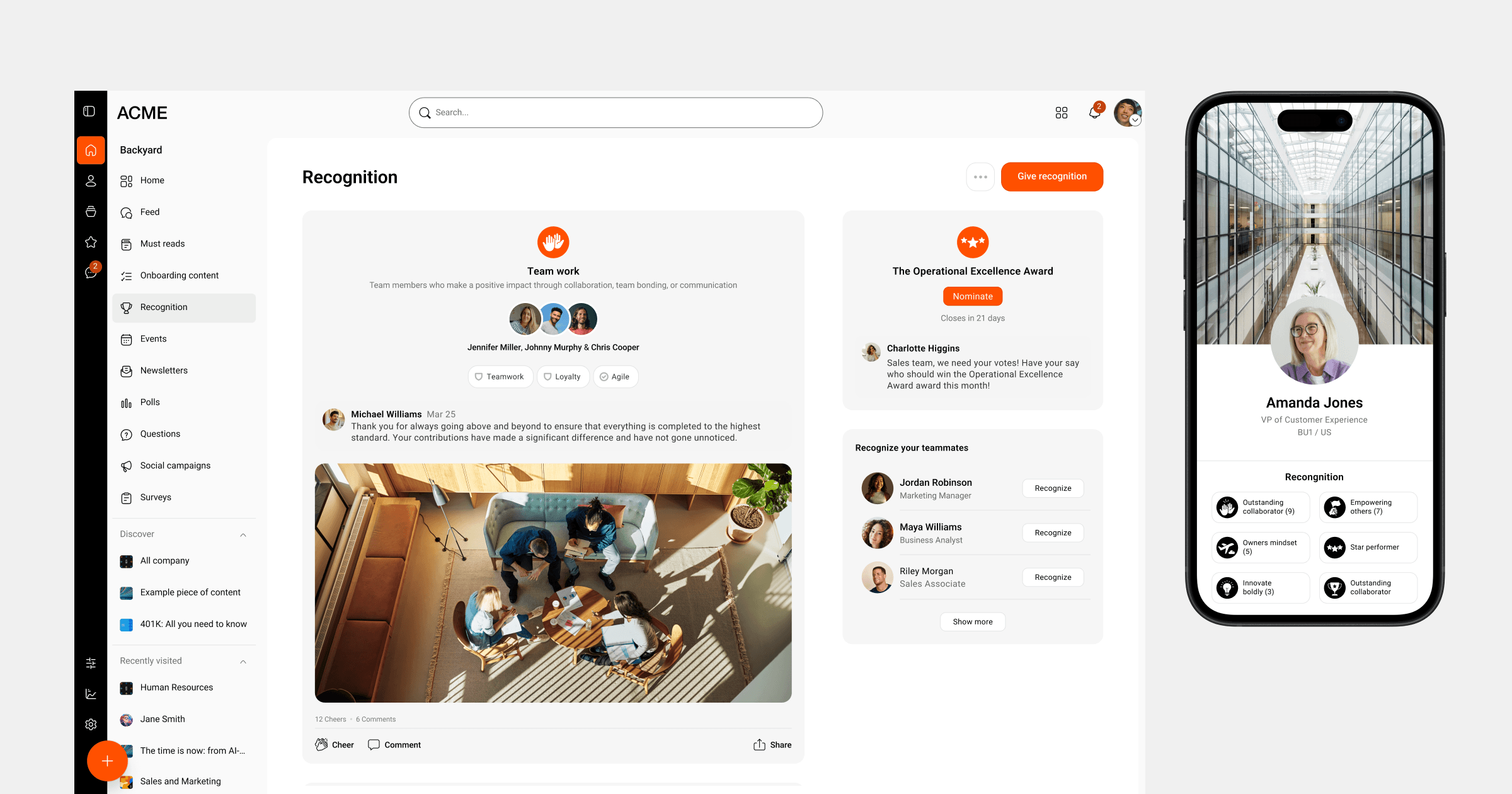
Real-time engagement data makes monthly and quarterly reviews data-driven rather than guesswork. With rewards and recognition features, peer connection and employee motivation becomes the default rather than something you have to push as annual initiatives.
Ready to find out how Simpplr can help you engage your employees? Request a demo today.
Watch a 5-minute demo
See how the Simpplr employee experience platform connects, engages and empowers your workforce.
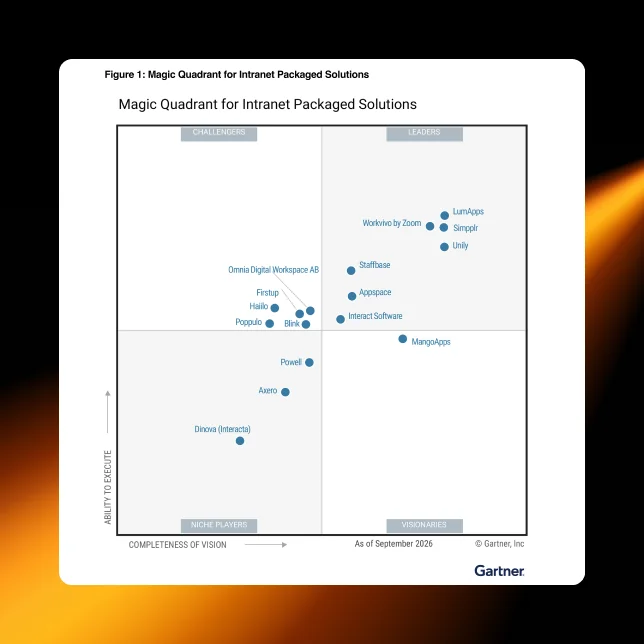
- #1 Leader in the Gartner Magic Quadrant™
- 90%+ Employee adoption rate