

Recognition programs don’t lose relevance because companies stop caring. They become less effective when recognition happens in the wrong place, at the wrong time, or outside the flow of day‑to‑day work. A shout‑out buried in a Slack channel or an annual award that soon fades can turn recognition into background noise. In a recent webinar, three companies shared how they avoided those pitfalls and made recognition more relevant and lasting.

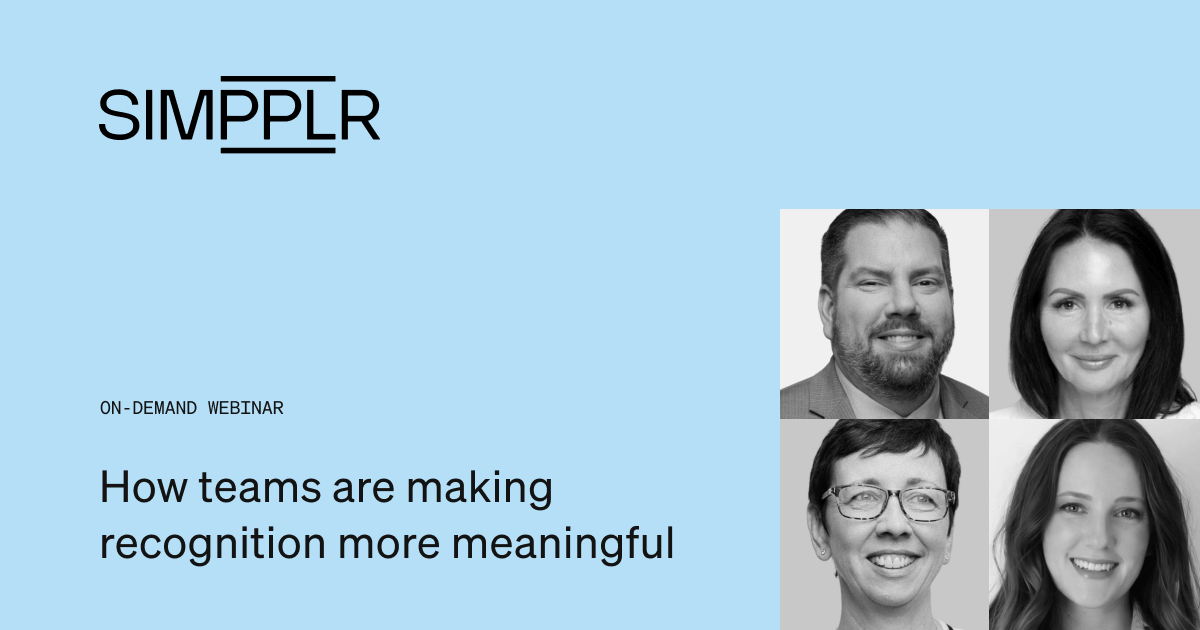
How teams are making recognition more meaningful
How teams are making recognition more meaningful
Table of contents
- 1 Different challenges, similar points of friction
- 2 Building recognition around company culture
- 3 What happens after rollout
- 4 Manager support helps drive program adoption
- 5 The role of rewards and when to add them
- 6 Keeping recognition relevant over time
- 7 Recognition that lives where work happens
During the conversation, moderated by Miriam Connaughton, Chief People and Experience Officer at Simpplr, the panelists shared how their organizations began rethinking recognition from very different starting points. Veterans Benefit Guide introduced peer‑to‑peer recognition alongside a new intranet. Georgia United Credit Union set out to replace a recognition program that had lost momentum. And Medical Solutions made recognition more consistent across its growing, post‑acquisition hybrid workforce.
Despite their differences in size, structure, and industry, each organization found that recognition is most effective when it’s embedded in the flow of work, tied to company values, and reinforced by leaders.
Different challenges, similar points of friction
Before making changes to their employee recognition program, each organization had to take an honest look at what wasn’t working. For all three, the challenge wasn’t indifference or lack of effort. Rather, it was a misalignment between intent and how recognition happened day to day.
Where recognition efforts started to break down:
- Recognition felt uneven and stayed within individual teams
- Contributions beyond formal roles weren’t always recognized
- Existing programs didn’t consistently reflect company values
At Veterans Benefit Guide, employee feedback revealed that recognition needed to be more frequent and visible to the broader organization. Additionally, company leaders wanted recognition to provide ongoing examples of behaviors that employees could see and learn from.
“We wanted recognition to show people what great work actually looks like, not just announce awards after the fact.” — Patrick Holmes, Sr. Director of Marketing and Communications, Veterans Benefit Guide
Georgia United Credit Union faced a different challenge. Employee performance was strong, but recognition needed to feel more intentional and more closely tied to company values. An older points‑based system no longer reflected the core values, and everyday contributions were often invisible outside of immediate teams.
For Medical Solutions, employees worked across different divisions and locations, but recognition wasn’t always consistent between them. The goal was to create a more unified approach that recognized employee collaboration across the organization, not just accomplishments within departments.
Although each organization faced a different challenge, they shared a common objective. Employee recognition needed to reflect real work, reinforce expectations around company values, and remain relevant as the organization continued to grow.

Building recognition around company culture
There’s no universal template for employee recognition. It needs to reflect how an organization already operates and defines success. A model that works in one company can feel forced or irrelevant in another, especially if the behaviors being recognized don’t match what employees experience day to day. For each organization in the webinar discussion, improving employee recognition meant translating culture into a program that employees could engage with and use naturally.
When recognition is effective, employees are 5x as likely to be connected to their company’s culture (Gallup).
All three teams tied recognition to their core values and culture, but the execution looked different in practice. Veterans Benefit Guide began with recognition badges aligned to its six core values. Once the program launched, the team quickly realized that not every meaningful contribution fit neatly into those categories, so they added nonvalue badges such as collaboration and initiative.
At Georgia United Credit Union, the emphasis was on listening to employees early and then building recognition categories around how employees wanted to acknowledge each other. Medical Solutions grounded recognition in its “five Cs” leadership principles. They also named their recognition platform “Soul Shouts” to distinguish peer recognition from other award programs.
“It’s not just the birthday shout-out or the occasional award. It’s one of the most powerful tools that we have… it helps drive performance, reinforce the behaviors that we want repeated.” — Kayla Hansen, Culture and Engagement Team Lead, Medical Solutions
What happens after rollout
As each organization moved closer to launch, the focus was less on early excitement and more on long-term adoption. Lasting participation and engagement depended on how well recognition activities fit into the everyday employee experience.
What people teams paid attention to after launch:
- Whether employees continued to participate beyond the rollout
- How well the new additions aligned with existing awards programs
- Where confusion or employee drop‑off began to appear
New post-launch revelations
One early lesson was that recognition doesn’t work in isolation. When peer‑to‑peer recognition launched at Veterans Benefit Guide shortly before the company’s annual awards cycle, employees began asking how the two efforts related and which mattered more. The feedback highlighted the need for clearer alignment so that ongoing recognition efforts reinforced annual awards rather than competing with them.
Medical Solutions treated its launch as an opportunity to drive broader engagement. A bingo‑style activity encouraged employees to recognize their peers via the company intranet, where they could also update their profiles and engage with other resources and content. At Georgia United Credit Union, post-launch was a time for listening. The team paid close attention to participation patterns and employee feedback that would inform future improvements.
“Meet people where they are. You’re not going to re-create everything overnight.” — Kayla Hansen, Culture and Engagement Team Lead, Medical Solutions
How programs began to evolve
As new insights accumulated, each organization’s recognition program expanded beyond the initial rollout. For example, Medical Solutions introduced spot awards tied to milestones such as new‑hire orientation completion and mentor program participation. Georgia United Credit Union turned recognition activity into a quarterly live event known internally as Reward‑a‑Palooza.
Across all three organizations, the people teams recognized that employees needed reasons to keep coming back. Additions such as new award types and planned celebrations helped maintain launch momentum and set the stage for frontline managers to reinforce employee participation.
Manager support helps drive program adoption
Executive support helps recognition programs get off the ground, but long‑term adoption requires ongoing manager involvement. Across each organization, leaders were expected to participate, not merely promote from the sidelines. Medical Solutions involved managers early, making sure expectations were clear before any new recognition initiative was announced to employees. At Veterans Benefit Guide, managers receive a weekly digest with prompts for employee recognition. They also have access to the Simpplr My Team Dashboard, which shows recognition patterns across their teams and where gaps may exist.
Data from a Gallup survey revealed that employees say their most memorable recognition comes from their manager.
How well recognition fit into existing tools and routines was another consideration. Georgia United Credit Union positioned recognition as complementary to the company intranet rather than as a separate initiative competing for attention. The connection made it easier for leaders to participate without feeling like they were being asked to take on another system or process.
“When recognition lives in the same place as everything else employees need, leaders are much more likely to use it consistently.” — Jennifer Norris, Innovation and Experience Manager, Georgia United Credit Union
The role of rewards and when to add them
Not every recognition program includes rewards from the start, and that choice was intentional across all three organizations. Some teams focused on values‑based recognition only, while others combined recognition and rewards at launch.
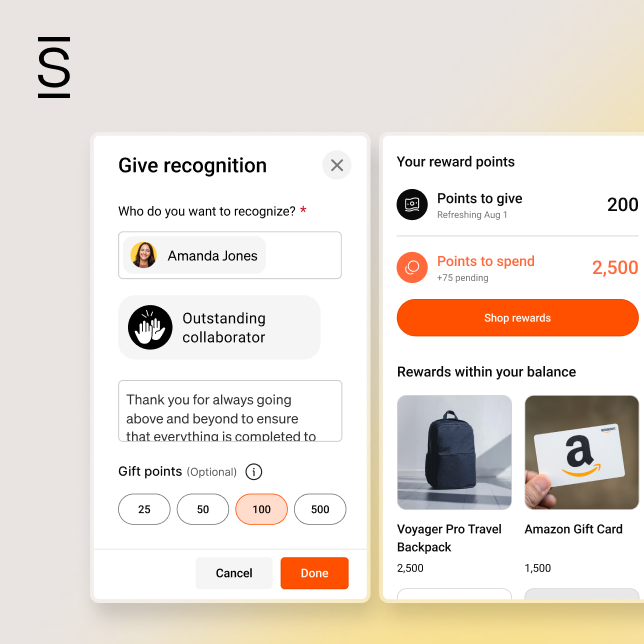
Where rewards were part of the program, they worked best as an extension of recognition rather than the primary motivator. At Veterans Benefit Guide, peer-to-peer recognition points that translate into dollars gave employees a way to acknowledge one another and also know that the company stood behind the program. Miriam Connaughton noted that Simpplr also uses a points system for employees, occasionally increasing point balances around special events like Employee Appreciation Day.
Other teams chose not to tie recognition to rewards. For example, Georgia United’s quarterly Reward‑a‑Palooza turned recognition activity into a collective celebration for employees. Instead of individual rewards, the focus was on shared participation across divisions and locations.
The broader lesson from the discussion was that recognition has to come first. It’s necessary to establish consistent participation and visibility before deciding whether rewards add value at all. As the panelists emphasized, rewards are one tool among many, not a requirement and not a substitute for meaningful recognition.
Up to 55 percent of employee engagement is driven by nonfinancial recognition. (McKinsey).
Keeping recognition relevant over time
For each organization, recognition is still a work in progress. At Georgia United Credit Union, the focus is on reinforcing habits as the program matures, including an anniversary celebration of the launch and encouraging ongoing use of the My Team Dashboard. Veterans Benefit Guide is looking ahead to its next phase and is considering the introduction of training and certification badges that recognize development as it happens. Medical Solutions is working to formalize recurring awards that help bridge the space between everyday peer recognition and annual awards.
Through their efforts, each organization found that recognition remains effective when teams continue to listen and refine how recognition fits into the culture and employees’ daily work. Rather than treating recognition as just another initiative, these teams approached it as an ongoing practice that continues to improve over time.
Recognition that lives where work happens
Throughout the webinar, the panelists described their journey to solve a similar problem. Recognition had become fragmented across chat channels, gift card programs, annual award programs, and standalone HR tools. As a result, it was harder to maintain employee engagement and link recognition to the behaviors leaders wanted to reinforce.
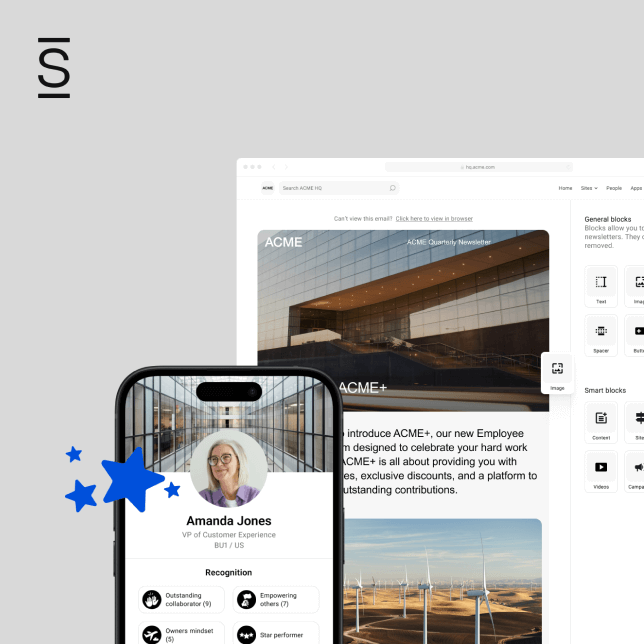
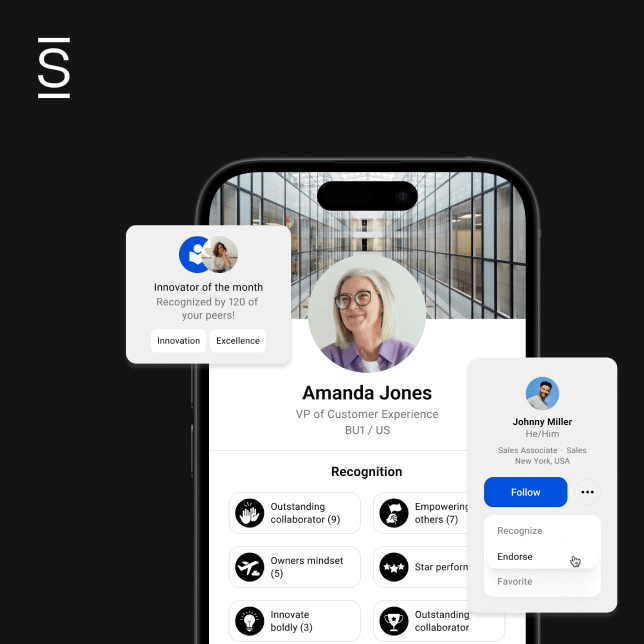
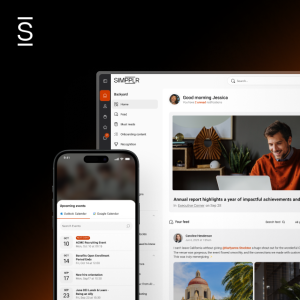
Simpplr Employee Recognition and Rewards replaces fragmented recognition programs with a single experience that connects recognition to employee communication, daily work, and company culture.
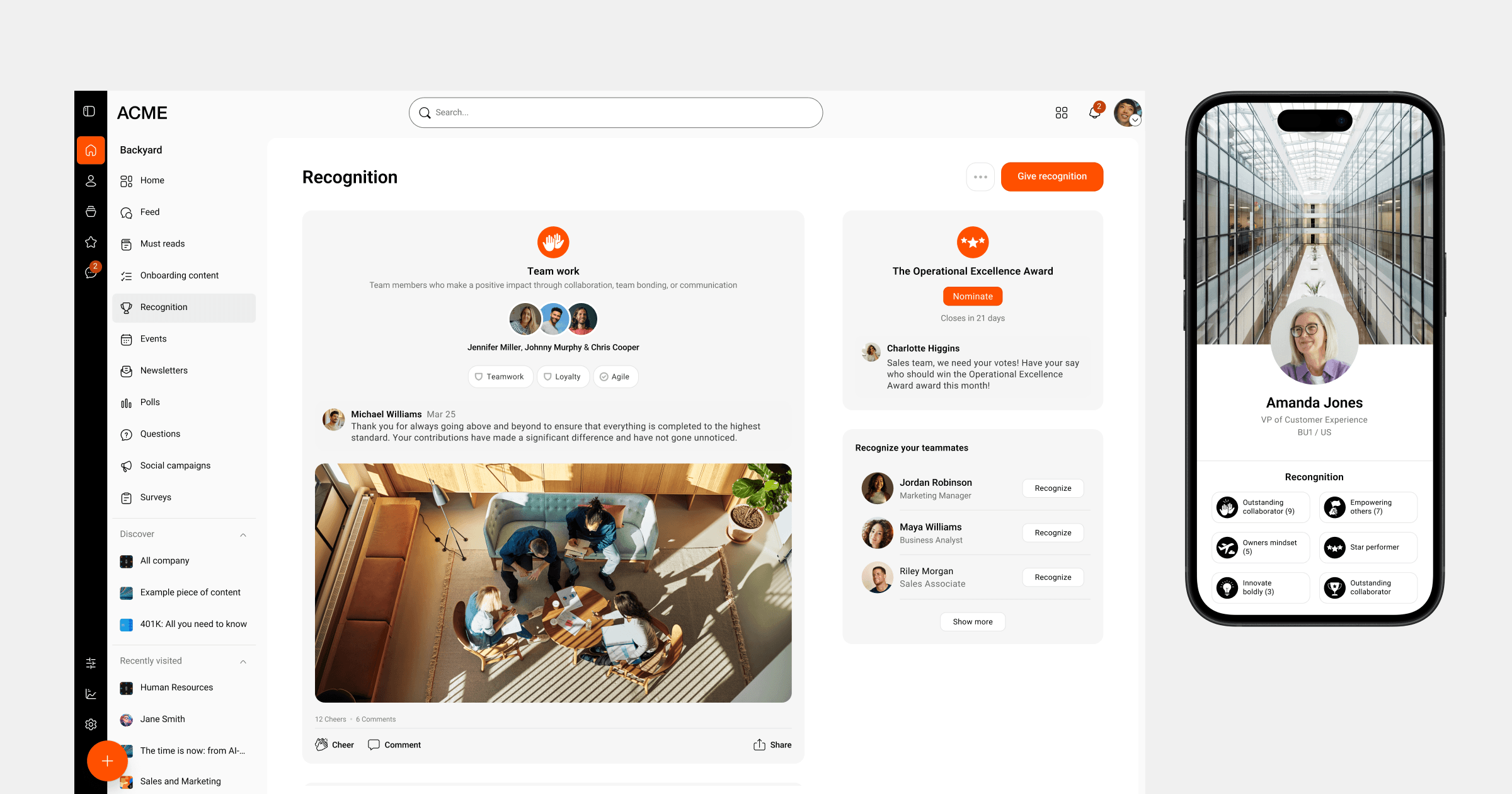
When recognition becomes part of an interconnected employee experience:
- Employees return to the intranet more often to engage with the recognition program and other important content
- Employees use the platform daily, which reduces the need for standalone and legacy rewards tools
- Values‑aligned badges recognize desired behaviors as they happen
- Tools like the My Team Dashboard help leaders see recognition patterns and address gaps
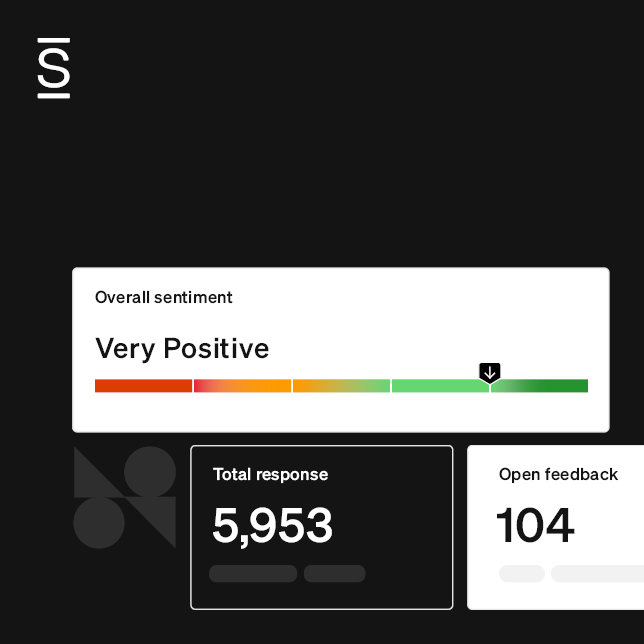
- Analytics connect recognition activity to key outcomes such as employee engagement and retention
As the panelists described, recognition is most effective when it’s part of the broader employee experience, where work and culture intersect. With the help of Simpplr’s Recognition & Rewards capabilities, these organizations made employee recognition more consistent, visible, and engaging.
Watch the on‑demand webinar to hear detailed examples, audience Q&A, and the full story behind Georgia United Credit Union’s Reward‑a‑Palooza.
Ready to find out how Simpplr can help you nurture a recognition culture at your workplace? Request a demo today.
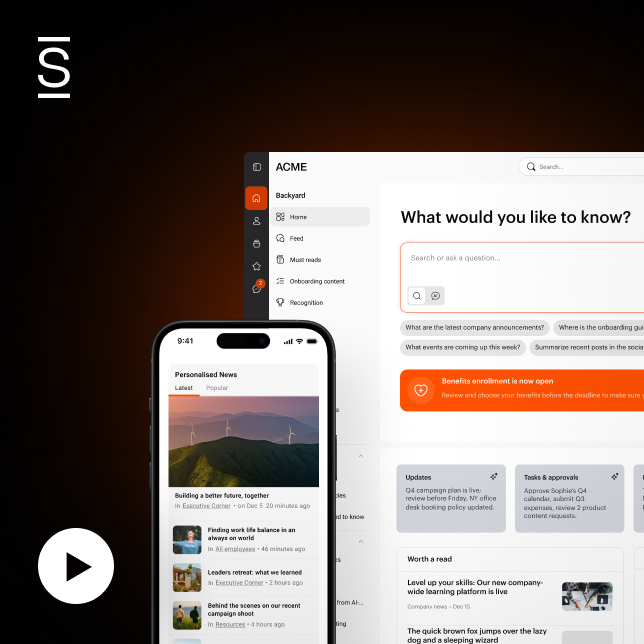
Watch a 5-minute demo
See how the Simpplr employee experience platform connects, engages and empowers your workforce.
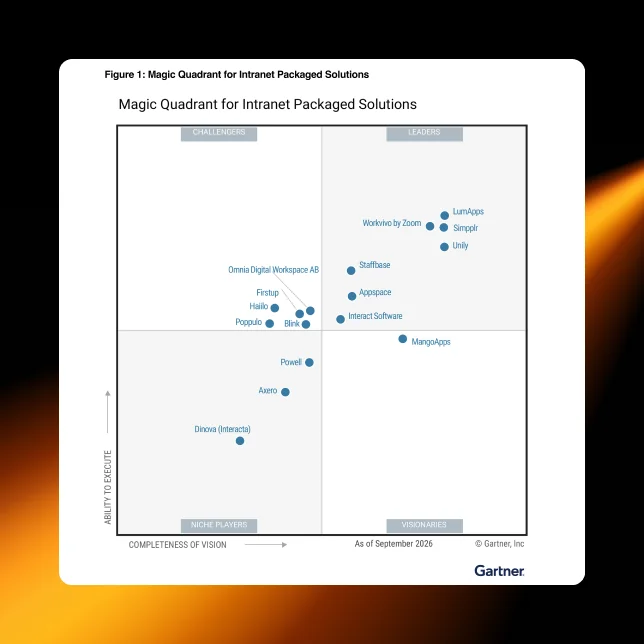
- #1 Leader in the Gartner Magic Quadrant™
- 90%+ Employee adoption rate